Lifestyle
How Digital Entertainment Has Changed the Way People Relax at Home

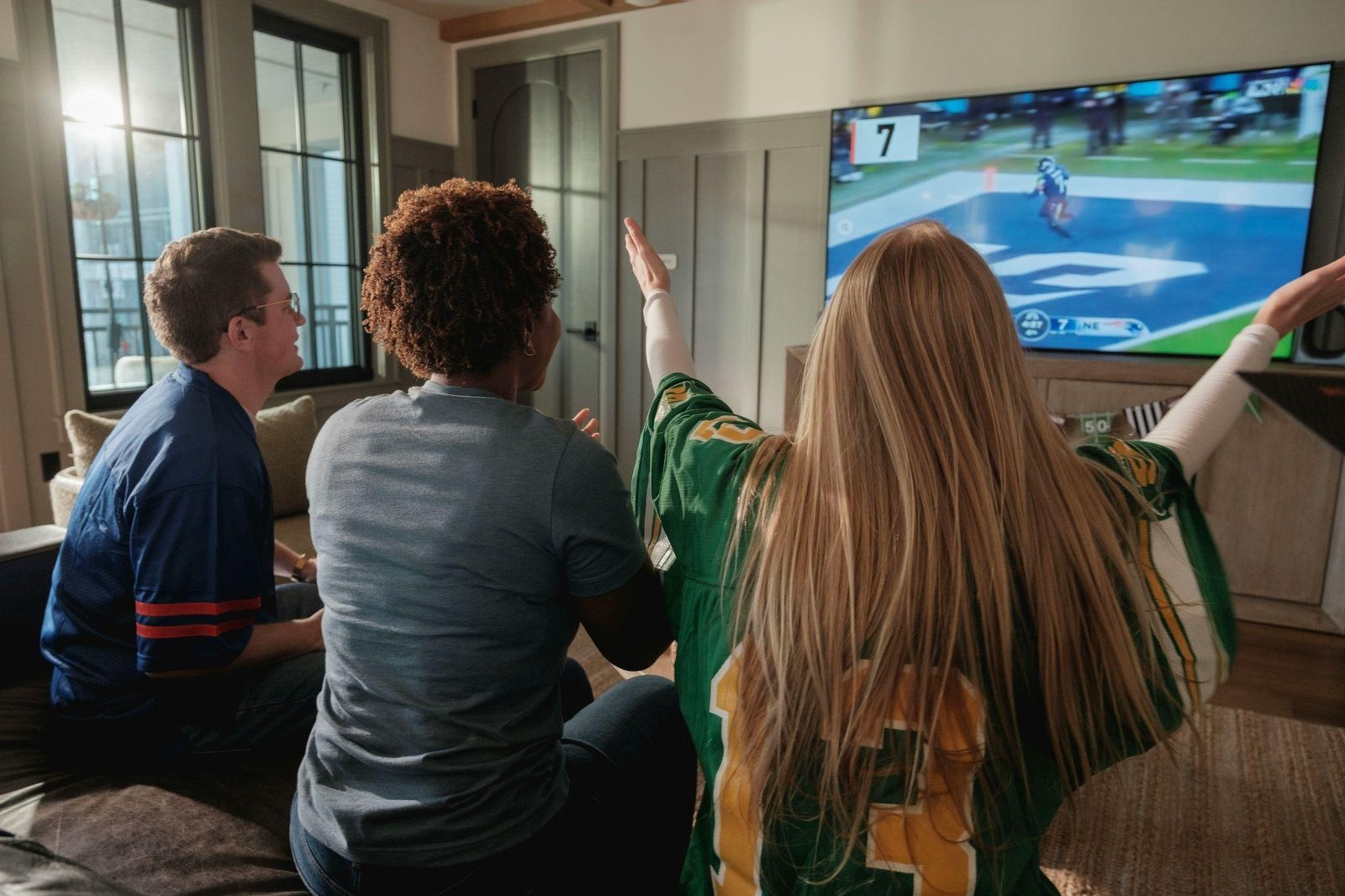
Home entertainment has changed dramatically over the past two decades. Activities that once required scheduled television broadcasts, physical media, or visits to entertainment venues are now available almost instantly through smartphones, computers, and smart televisions. From streaming movies to multiplayer gaming, digital technology has introduced countless ways to enjoy free time without leaving home.
This transformation has made relaxation more convenient and personalized. People can choose entertainment that matches their interests, explore unfamiliar content, and connect with friends regardless of geographical distance. However, constant access to digital entertainment has also changed how individuals approach downtime.
With endless options available, choosing when to disconnect can become just as important as deciding what to watch or play. Understanding these changes reveals how digital entertainment influences modern household routines and why finding a balance between screen-based activities and genuine rest remains essential.
Evening Entertainment Is Becoming Part of Personalized Relaxation Routines
One of the most significant changes in home entertainment is the ability to create completely personalized evening routines. Instead of organizing free time around television schedules, people can select their favorite activities whenever they want.
Some prefer watching a familiar television series, while others enjoy relaxing video games, digital books, or podcasts. The variety makes it easier to match entertainment with individual preferences and available time.
This flexibility also allows individuals to personalize their evening routines around their schedules and preferences. Adults interested in hemp-derived wellness products can purchase CBD sleep gummies online, discovering options designed for nighttime use. The convenience of online shopping makes it easier to explore specialized products and incorporate personal wellness interests into everyday life.
Digital entertainment works best as part of an evening routine when it provides enjoyment without consistently delaying bedtime. Establishing comfortable boundaries allows people to appreciate their favorite activities while protecting time for adequate rest.
Streaming Services Have Made Entertainment More Accessible
Streaming platforms have transformed how households discover and consume movies, television programs, documentaries, and other video content. Viewers no longer need to wait for scheduled broadcasts or purchase individual physical releases to access extensive entertainment libraries.
This convenience has encouraged greater flexibility in viewing habits. Families can watch programs together, while individuals can explore content that reflects their particular interests.
Streaming has also expanded access to international entertainment. Viewers can discover films, television series, and documentaries produced in countries they might previously have encountered only occasionally.
However, the increasing number of subscription platforms introduces new considerations. Maintaining several memberships can become expensive, particularly when households use only a small portion of the available content.
Rotating subscriptions or reviewing viewing habits can help manage costs without significantly reducing enjoyment.
The greatest advantage of streaming lies in its convenience, but thoughtful choices remain important when entertainment options become almost unlimited.
Video Games Have Become a Major Form of Home Relaxation
Video games have developed into one of the most diverse forms of digital entertainment. Modern gaming includes competitive multiplayer titles, narrative adventures, creative simulations, and casual experiences designed around short sessions.
For some players, gaming provides excitement and challenging objectives. Others prefer slower experiences involving exploration, building, farming, or solving puzzles.
This variety allows people to select games according to their mood rather than treating gaming as a single type of activity.
Online multiplayer features have also transformed the social side of home entertainment. Friends can cooperate on challenges, participate in competitions, or explore virtual environments together without meeting physically.
However, enjoyable gaming requires attention to personal limits. Long sessions can contribute to physical discomfort when players remain seated without breaks or neglect other responsibilities.
Choosing suitable games, creating comfortable setups, and maintaining reasonable schedules helps make gaming a sustainable recreational activity.
Social Media Has Blurred the Line Between Entertainment and Communication

Social media platforms combine entertainment with communication, allowing users to watch videos, follow creators, share experiences, and interact with friends through the same applications.
Short-form videos have become particularly influential because they provide immediate access to humorous clips, educational demonstrations, and lifestyle content.
These formats can make brief breaks enjoyable, especially when users want entertainment without committing to a full movie or television episode.
However, constantly updated feeds can encourage longer browsing sessions than originally intended. Automatic playback and personalized recommendations make it easy to continue consuming content without consciously choosing another activity.
Establishing personal limits can help maintain a healthier relationship with these platforms.
Social media is most enjoyable when it supports genuine interests and communication rather than replacing every opportunity for offline activity.
Recognizing the difference between intentional entertainment and automatic scrolling allows users to make better decisions about their free time.
Smart Home Technology Is Changing the Entertainment Experience
Digital entertainment increasingly operates through connected household technology. Smart televisions, wireless speakers, voice assistants, and integrated lighting systems allow people to create convenient environments for different activities.
A home movie night might involve adjusting room lighting, connecting external speakers, and accessing a streaming library through a single television interface.
Music listeners can move between rooms while maintaining access to their favorite playlists through compatible wireless devices.
These features offer practical convenience, particularly when several household members have different entertainment preferences.
However, complicated systems are not always necessary. A comfortable seating arrangement, dependable internet connection, and suitable audio equipment can provide an enjoyable experience without extensive automation.
Households should also consider device privacy settings, software updates, and network security when introducing connected technology.
The most effective entertainment setup is one that remains simple to operate while supporting the activities people genuinely enjoy.
Digital Hobbies Are Creating New Opportunities for Creativity
Home entertainment is no longer limited to consuming professionally produced content. Digital tools have made it easier for individuals to create music, edit photographs, produce videos, and experiment with graphic design.
Many people now treat these activities as enjoyable hobbies rather than professional responsibilities.
Digital drawing applications, music production software, and video editing platforms allow beginners to develop practical skills through creative experimentation.
Online tutorials and communities provide opportunities to learn techniques and receive feedback from others with similar interests.
Creative hobbies can make leisure time feel more personally rewarding because participants produce something of their own.
However, there is no requirement to turn every recreational activity into a productive achievement. Creating for enjoyment is valuable even when the finished work is never published or shared.
Digital creativity demonstrates how technology can expand the possibilities of relaxation beyond passive entertainment.
Finding the Right Balance Between Screen Time and Genuine Rest
Digital entertainment has made home life more convenient, but unlimited access does not automatically create a better experience.
Watching another episode, completing one more gaming challenge, or scrolling through additional videos can sometimes interfere with sleep, physical activity, and personal responsibilities.
Maintaining a healthy balance involves recognizing when entertainment remains enjoyable and when it begins to feel automatic or exhausting.
Some households benefit from establishing screen-free periods during meals or before bedtime. Others prefer alternating digital activities with reading, cooking, exercise, or time spent outdoors.
The most practical boundaries depend on individual schedules and preferences.
Digital entertainment can also strengthen relationships when people enjoy activities together. Shared movie nights, cooperative gaming, and creative projects provide opportunities for conversation and connection.
Ultimately, the transformation of home entertainment is about more than technological convenience. It reflects changing expectations surrounding how people relax, communicate, and spend their free time.
Streaming platforms, video games, and connected devices offer extraordinary variety, but their greatest value comes from being used intentionally. By choosing enjoyable activities while preserving time for sleep, movement, and meaningful relationships, people can benefit from modern entertainment without allowing it to dominate everyday life.



British bedrooms are tricky places to get comfortable. A damp January night can leave you reaching for an extra blanket, while a muggy July evening can have you kicking off the duvet at two in the morning. Plenty of people swap bedding with the seasons and still struggle.
Wool is one of the few materials that genuinely helps at both ends of the thermometer. It is not magic, but its natural structure makes it unusually good at keeping a bed comfortable across a wide range of conditions. Here is why.
How Wool Fibres Are Built
Wool’s talents start with the shape of the fibre. Each strand has a natural crimp, a gentle wave that stops fibres packing tightly together. This creates countless small pockets of air within a wool layer.
Still air is a good insulator, which is why wool keeps sheep warm on exposed hillsides. But because the structure is open rather than sealed, it also lets air and water vapour move through. That combination of insulation and breathability is what sets wool apart from many synthetic fibres, which can trap heat without letting moisture escape.
The surface of each fibre also has a water-repellent outer layer, while the inner core can absorb moisture. This is why wool can take on water vapour while still feeling relatively dry to the touch.
Staying Cool: Moisture Is the Key
Overheating at night is often less about the temperature of the room and more about humidity around your body. As you warm up, you sweat. If that moisture cannot escape, the microclimate between you and your bedding becomes warm and damp, and you feel clammy and restless.
Wool helps by drawing water vapour away from your skin and releasing it into the air. Because it can absorb a good amount of moisture before it feels wet, it buffers those humid spikes rather than leaving you lying in them.
Many people who sleep hot notice a difference when they switch from synthetic bedding to wool. Results vary from person to person, but the principle is sound: drier skin generally feels cooler and more comfortable.
Staying Warm: Insulation Without Stuffiness
On cold nights, those air pockets in the crimped fibres trap body heat and hold it close. Wool insulates well without needing to be heavy, which is why wool duvets and mattress toppers often feel lighter than you might expect for their warmth.
Wool is also often said to give off a small amount of heat as it absorbs moisture from the air. Whatever the scale of that effect, the practical result is a bed that feels cosy rather than chilly when you first climb in on a cold night.
Crucially, wool does this without becoming stuffy. Because it keeps moving moisture away, you are less likely to swing from cold to overheated in the early hours, which is a common complaint with very warm synthetic duvets.
Wool in Your Mattress
Bedding is the obvious place to start, but the mattress plays a large part too. You lie on it all night, with much of your body in direct contact, so a breathable surface makes a real difference.
Traditional mattresses often use generous layers of wool on top of the spring unit. This helps regulate temperature from below while adding a soft, resilient comfort layer. Some mattresses list wool in grams per square metre, which gives a rough idea of how much is included, though how it is combined with other materials also matters.
If you want to see what a wool-rich mattress looks like in practice, the Wool Origins 8 reviewed in detail covers how the wool layers are arranged and how they feel to sleep on over time. It is a helpful example for anyone considering a mattress where wool does most of the comfort and temperature work.
Other Benefits of Sleeping on Wool
Temperature control is the headline, but wool has a few other qualities worth knowing about.
- Natural resilience: the crimped fibres spring back, giving a gentle bounce and helping layers hold their loft.
- Flame resistance: wool is naturally harder to ignite than many fibres, which is one reason it has long been used in bedding.
- Dust mites: wool’s ability to manage moisture is often said to make it less welcoming to dust mites, though anyone with allergies should take advice.
- Sustainability: wool is a renewable, biodegradable fibre, and British wool is readily available to UK makers.
A small number of people find wool irritating against the skin, but in a mattress or duvet it is enclosed in a cover, so direct contact is rarely an issue.
You do not need to replace everything at once. A wool mattress topper is a relatively affordable way to add breathability to an existing mattress. A wool duvet can replace a synthetic one, and many come in different weights for summer and winter. Wool pillows are another option for those who overheat around the head and neck.
Caring for wool is straightforward. Air bedding regularly, use a breathable protector, and follow the maker’s cleaning instructions, as many wool items should not be machine washed.
A Material for All Seasons
Wool earns its reputation because it tackles both sides of night-time discomfort. It insulates when you are cold and moves moisture away when you are warm, keeping your sleeping environment more stable through the night. Whether in a duvet, a topper or a mattress, it is well worth considering if you struggle to stay comfortable through the British seasons.

Why Wool Is One of the Best Materials for Sleeping Cool and Warm

How Digital Entertainment Has Changed the Way People Relax at Home

How to Keep Biscuits Crisp and Packaged Cakes Fresh After Opening

Meet Lisa Ann Mudd, Sydney Sweeney’s Mother and Former Attorney

Jason Lawson: The Story of Hayley Mills’ Son

Sandra Davenport: The Untold Story of Jim Belushi’s First Marriage
-
 News2 months ago
Meet Lisa Ann Mudd, Sydney Sweeney’s Mother and Former Attorney
-
 Celebrity4 months ago
Jason Lawson: The Story of Hayley Mills’ Son
-
 Celebrity4 months ago
Sandra Davenport: The Untold Story of Jim Belushi’s First Marriage
-

 Celebrity4 months ago
Nina Weiss: All You Need to Know About Manuel Neuer’s Ex-Wife
-

 News2 months ago
Who Is Rebecca Dyer? Meet David Foster’s Ex-Wife
-

 Biographies2 months ago
Who is Thomas Earle? All About Alix Earle’s Father
-

 Celebrity4 months ago
Jack Scarborough: Everything About Joe Scarborough’s Son
-

 Celebrity4 months ago
Debra Rodman: Inside the Life of Dennis Rodman’s Powerful Sister