
Home Improvement
Why Generator Installation Is the Smartest Investment for Your Louisiana Home

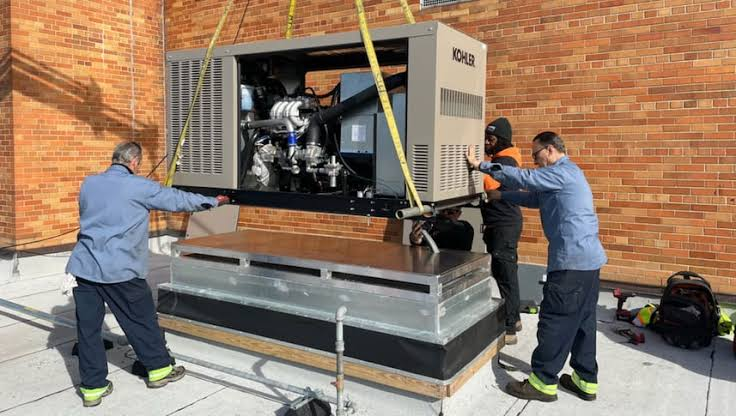
Power outages don’t send a warning text. One moment you’re cooking dinner, and the next you’re fumbling for flashlights while your refrigerator full of groceries starts warming up. For homeowners across Louisiana, where storms and hurricanes are simply part of life, losing electricity isn’t just inconvenient. It can be dangerous, costly, and downright stressful.
That’s where Boudreaux’s Electrical Services comes in. Our team has spent years helping local families protect their homes with dependable backup power solutions, and we’ve seen firsthand how a properly installed generator can turn a crisis into a non-event. Instead of worrying about spoiled food, failed sump pumps, or a dark house during a tropical storm, our customers simply flip a switch (or don’t even need to) and carry on with their day.
This post walks through what you need to know about adding a generator to your home, why professional installation matters more than most people realize, and how Boudreaux’s Electrical Services makes the entire process simple from start to finish.
What Makes a Home Generator Worth the Investment?
A generator isn’t just a convenience item anymore. For many Louisiana homeowners, it’s become as essential as a working air conditioner or a reliable roof. Here’s why:
- Protects your appliances and electronics. Sudden power surges when electricity returns can fry sensitive equipment. A properly installed system manages this transition safely.
- Keeps your home livable. Air conditioning, refrigeration, and lighting don’t stop just because the grid does.
- Supports medical equipment. For households relying on oxygen concentrators, CPAP machines, or other medical devices, backup power isn’t optional. It’s a lifeline.
- Increases property value. Buyers increasingly view a standby generator as a desirable feature, especially in hurricane-prone regions.
Boudreaux’s Electrical Services has worked with families who installed generators purely for peace of mind, and others who needed one after learning the hard way that a few hours without power can mean thousands of dollars in spoiled food, water damage, or worse.
Portable vs. Standby Generators: Which One Fits Your Needs?
Not every home needs the same solution, and this is one area where guidance from a licensed electrician really pays off.
Portable generators are budget-friendly and flexible. They work well for short outages and can power select appliances, but they require manual setup, fuel refills, and careful placement to avoid carbon monoxide risks.
Standby generators are permanently installed outside your home and connect directly to your electrical panel. When the power goes out, they kick on automatically, often within seconds. These units run on natural gas or propane, so there’s no scrambling for fuel during a storm when gas stations are packed or out of stock.
For most homeowners who want true reliability without the hassle of manual operation, a standby system tends to be the better long-term choice. It’s also the option our team at Boudreaux’s Electrical Services installs most frequently, simply because it delivers the most consistent results.
Why Professional Installation Makes All the Difference
It might be tempting to think of generator setup as a simple plug-and-go project. In reality, it involves several critical steps that directly affect safety and performance:
- Electrical load assessment. Determining how much power your home actually needs to keep essential systems running.
- Proper transfer switch installation. This component safely disconnects your home from the grid during an outage, preventing dangerous backfeed into power lines.
- Permitting and code compliance. Louisiana has specific electrical codes that must be followed, and skipping this step can create liability issues down the road.
- Fuel line and placement planning. Generators need to be positioned according to manufacturer specifications and local regulations, particularly around ventilation and distance from structures.
A mistake in any one of these areas can lead to equipment damage, voided warranties, or safety hazards. That’s why homeowners trust licensed professionals rather than attempting a DIY approach or hiring unqualified contractors.
How Boudreaux’s Electrical Services Makes the Process Easy
Generator Installation doesn’t have to feel overwhelming, and with the right team guiding you through every step, it becomes one of the easiest home improvement decisions you’ll ever make. At Boudreaux’s Electrical Services, we start with a free consultation to understand your household’s power needs, walk you through generator options that fit your budget, and handle every detail of permitting, wiring, and testing.
Our electricians are licensed, experienced, and familiar with the unique demands of Louisiana weather. We don’t just install a generator and leave. We walk you through how the system works, answer your questions, and make sure you feel confident the next time the lights flicker.
Customers often tell us the hardest part was deciding to make the call. Once our team gets involved, the rest moves smoothly, typically from initial consultation to a fully operational system in a matter of days, not weeks.
Take Control of Your Power Supply Today
Storms will keep coming, and the grid will keep having its occasional bad day. The difference is whether your household gets caught off guard or keeps humming along without missing a beat. A professionally installed generator gives you that control, protecting your family, your home, and your peace of mind long after the storm passes.
Boudreaux’s Electrical Services has helped countless Louisiana families prepare for whatever comes next. If you’re ready to stop worrying about the next outage, reach out to our team today for a consultation. We’ll help you find the right system, install it correctly the first time, and make sure you’re covered when it matters most.
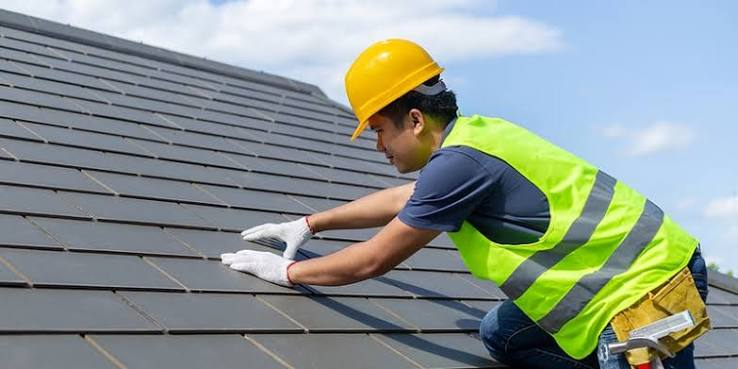
Most homeowners don’t think about their roof until something goes wrong. Water stains on the ceiling. A missing shingle after a storm. A spike in energy bills that makes no sense. By the time these signs show up, the damage is often already spreading — quietly, out of sight, above your head.
That’s the trouble with roofs. They’re built to be forgotten, tucked away where nobody looks unless they have a reason to. But a roof is one of the hardest-working parts of your home, absorbing sun, wind, rain, and snow year after year. Neglect it long enough, and small issues turn into expensive repairs or full replacements.
At Cathedral Roofing Innovations, Inc., we’ve seen firsthand how a little proactive attention saves homeowners thousands of dollars down the line. This post walks through why your roof needs regular checkups, what typically goes wrong when it’s ignored, and how professional care can keep your home protected for decades.
The Hidden Cost of Ignoring Roof Problems
Roofs rarely fail all at once. Damage tends to build gradually — a cracked flashing here, a loosened shingle there — until one heavy rainstorm turns a minor issue into a major leak. By then, you’re not just fixing the roof. You’re dealing with water damage to insulation, drywall, and possibly even your home’s structural framing.
Energy efficiency takes a hit too. A compromised roof lets conditioned air escape and outside temperatures creep in, forcing your HVAC system to work overtime. That shows up on your utility bill long before it shows up as a visible leak.
There’s also the matter of resale value. Buyers and home inspectors pay close attention to roof condition. A roof in poor shape can knock thousands off an offer or scare buyers away entirely, even if the rest of the home is in excellent condition.
Common Warning Signs Homeowners Often Miss
Roofs tend to send signals before they fail outright. The challenge is knowing what to look for, since many of these signs aren’t visible from ground level.
- Curling or cracked shingles: Often caused by age or sun exposure, this is one of the clearest indicators that a roof is nearing the end of its lifespan.
- Granule buildup in gutters: Shingles shed granules as they wear down, and finding them in your gutters is a sign of deterioration.
- Sagging rooflines: This can point to structural issues underneath the surface, including rotted decking or compromised support beams.
- Moss or algae growth: While it might look harmless, moss retains moisture against the roofing material, accelerating decay.
- Daylight through the attic: If you can see light peeking through attic boards, that’s a direct path for water and pests to enter.
Catching these early makes the difference between a simple repair and a full roof replacement.
How Professional Roof Care Protects Your Investment
A home is likely the single largest investment most people make, and the roof is its first line of defense. Professional roofing teams bring trained eyes and specialized tools to identify problems that homeowners often overlook — things like subtle flashing separation, early-stage rot, or ventilation issues that quietly shorten a roof’s lifespan.
Beyond spotting problems, professionals understand how different roofing materials age and what maintenance each type requires. Asphalt shingles, metal roofing, and tile all wear differently and call for different care strategies. Getting this right extends the life of your roof and protects the rest of your home from water intrusion, mold, and structural damage.
Working with a dedicated roofing team also means access to proper documentation. This matters for insurance claims, home sales, and warranty coverage, where a clear record of maintenance and repairs can make the difference between a smooth process and a denied claim.
Why Regular Roof Checkups Matter More Than You Think
Scheduling a thorough roof inspection twice a year is one of the simplest ways to catch small problems before they turn into costly repairs. Think of it the same way you’d think about a car’s annual service — a quick, routine check now prevents a breakdown later.
During a seasonal checkup, trained professionals assess everything from shingle condition and flashing integrity to attic ventilation and gutter function. This kind of thorough review catches the kind of hidden damage that’s easy to miss from the ground, whether that’s a small leak just beginning to form or ventilation issues quietly shortening your roof’s lifespan.
The timing matters too. Spring and fall are ideal windows, since they come right before the seasons that put the most strain on a roof — scorching summer heat and winter snow and ice. Addressing minor wear before these extremes hit means your roof is prepared to handle whatever the weather brings.
At Cathedral Roofing Innovations, Inc., our team specializes in exactly this kind of proactive care, giving homeowners peace of mind and helping them avoid the expensive surprises that come from deferred maintenance.
Protect Your Home Before Small Problems Grow
A roof in good condition does more than keep the rain out. It protects your family, preserves your home’s value, and saves you from costly emergency repairs down the road. The difference between a roof that lasts its full lifespan and one that fails early often comes down to consistent, professional attention.
If it’s been a while since your roof had a proper checkup, now is a good time to change that. Reach out to Cathedral Roofing Innovations, Inc. to schedule your seasonal assessment and give your home the protection it deserves.
Frequently Asked Questions
How often should a roof be checked by a professional?
Most roofing experts recommend a professional checkup twice a year, ideally in spring and fall, along with an additional check after any major storm.
What’s the average lifespan of a residential roof?
This varies by material. Asphalt shingles typically last 20 to 25 years, metal roofing can last 40 to 70 years, and tile roofs often exceed 50 years with proper care.
Can small roof issues really lead to major damage?
Yes. Small issues like a cracked shingle or loose flashing can allow water to seep in, leading to rot, mold, and structural damage if left unaddressed.
Is roof maintenance worth the cost?
In most cases, yes. Routine maintenance costs significantly less than emergency repairs or premature replacement, making it a smart long-term investment.
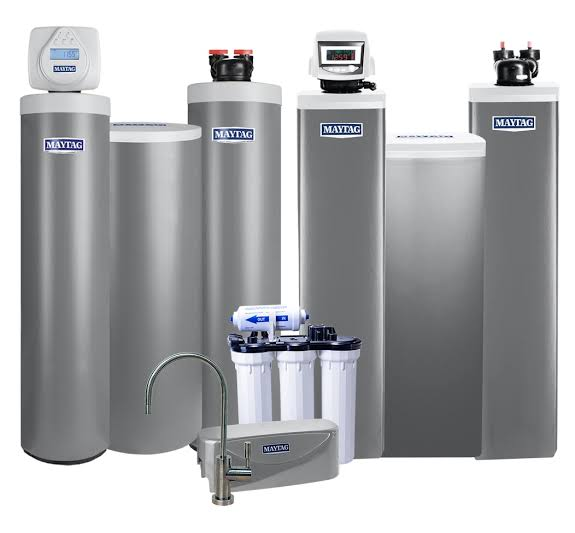
Florida’s groundwater tells a complicated story. Beneath the sunshine and palm trees sits an aquifer system loaded with minerals, sediment, and, in many neighborhoods, aging municipal infrastructure that struggles to keep pace with growth. For homeowners across the Tampa Bay area, this means tap water that looks clear in a glass but carries hidden issues your family can taste, smell, or feel on their skin after a shower.
Cigar City Water Pros has spent years listening to residents describe the same frustrations: chalky buildup on faucets, a faint chlorine smell, or skin that feels dry no matter how much lotion gets applied. These aren’t just annoyances. They’re signals that the water flowing through your pipes needs a closer look.
This post breaks down what’s actually happening in Tampa’s water supply, why it matters for your home and health, and what local families are doing to fix it for good.
What’s Really in Tampa’s Water Supply?
Florida sits on one of the most mineral-rich aquifers in the country. That’s good news for geology enthusiasts, but it’s a mixed bag for homeowners. Hard water, caused by high concentrations of calcium and magnesium, is one of the most common complaints across Hillsborough County. It leaves spots on dishes, shortens the lifespan of appliances, and makes soap less effective, which means more product used for less results.
Then there’s chlorine and chloramine, added by municipal treatment plants to keep water safe during transport. While necessary for public health, these chemicals can leave a noticeable taste and odor by the time water reaches your tap. Some neighborhoods also deal with sediment or trace metals from older pipe systems, particularly in homes built before the 1980s.
None of this means Tampa’s water is unsafe to drink. It means untreated tap water often falls short of what households actually want: water that tastes clean, protects their plumbing, and doesn’t leave residue on everything it touches.
How Hard Water Affects Your Home Over Time
Hard water doesn’t cause damage overnight, but the cumulative effect adds up. Mineral buildup inside pipes reduces water pressure and can eventually lead to costly plumbing repairs. Water heaters work harder and wear out faster when scale coats their internal components. Even washing machines and dishwashers lose efficiency, often requiring repairs years ahead of schedule.
Homeowners frequently underestimate how much hard water is costing them until they calculate the combined price of extra detergent, appliance repairs, and shortened equipment lifespans. The math tends to be a wake-up call.
Signs Your Home Could Benefit from a Water Treatment System
Not every household needs the same solution, but certain signs point clearly toward a need for improvement. If you’re noticing any of the following, it’s worth paying attention:
- White, chalky residue around faucets, showerheads, or coffee makers
- Dry, itchy skin or dull-looking hair after bathing
- Spots on glassware even after running the dishwasher
- A noticeable chlorine smell or aftertaste from tap water
- Reduced water pressure throughout the home
These issues often develop gradually, which is why many families don’t realize how much their water quality has declined until they experience the difference after treatment.
How Cigar City Water Pros Approaches Every Home Differently
No two homes in Tampa have identical water issues, which is why a one-size-fits-all solution rarely works. Cigar City Water Pros starts with an in-home water test to measure hardness, chlorine levels, pH, and any other contaminants specific to your property. From there, the team recommends a system tailored to your household’s actual needs, rather than pushing a generic package.
Comfortable, better-tasting water starts with a professional assessment of what’s actually flowing through your pipes, and that’s exactly where our Water Treatment process begins. Whether a home needs a whole-house softener, a reverse osmosis drinking water system, or a combination approach, the goal is always the same: deliver water that feels as good as it looks.
This personalized process also means homeowners aren’t paying for equipment they don’t need. Instead, they get a system sized correctly for their household’s water usage and specific quality concerns, which keeps both performance and costs predictable.
What to Expect During Installation
Many homeowners delay addressing water quality because they assume installation will be disruptive. In reality, most systems are installed in a single day with minimal interruption to daily routines. The team walks through the setup, explains maintenance expectations, and makes sure every family member understands how to get the most out of their new system before leaving the property.
The Long-Term Payoff of Treating Your Water at Home
Investing in a quality water system pays dividends well beyond the first glass of clean water. Appliances last longer when they’re not fighting mineral buildup. Skin and hair often feel noticeably better within weeks. Energy bills can even drop slightly, since water heaters and dishwashers run more efficiently without scale interference.
For families with young children or anyone sensitive to chemical tastes and smells, the difference is often immediate. Tap water starts tasting the way it’s supposed to: clean, neutral, and refreshing straight from the faucet.
Ready for Water That Actually Feels Clean?
Tampa’s water challenges are real, but they’re also entirely solvable. Thousands of local households have already made the switch to better-treated water, and the results speak for themselves through healthier skin, longer-lasting appliances, and water that finally tastes the way it should.
If your home has been dealing with hard water stains, chlorine odors, or lackluster water pressure, it might be time for a professional assessment. Cigar City Water Pros offers in-home consultations designed to pinpoint exactly what your water needs, with no pressure and no generic solutions.
Reach out today to schedule your water test and find out what a tailored treatment system could do for your home.
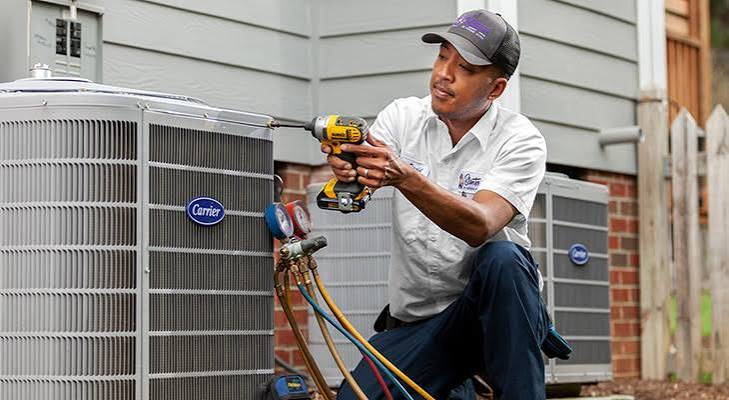
Few things disrupt a comfortable home faster than an air conditioner that can’t keep up with the heat. If you’ve noticed your energy bills creeping higher or your living room never quite reaching the temperature you set, your cooling system might be trying to tell you something. Knowing when to repair versus when to replace can save you money, stress, and a whole lot of sweaty afternoons.
At Air 24/7, we’ve helped countless homeowners navigate this exact decision. The truth is, most people wait far too long to consider a replacement, often pouring hundreds of dollars into repairs for a unit that’s already on its last leg. This post will walk you through the clearest signs that your AC has reached the end of its useful life, what factors to weigh before making a decision, and why choosing the right team for the job matters just as much as the equipment itself.
How Old Is Your AC Unit, and Why Does Age Matter?
Most central air conditioning systems are built to last between 10 and 15 years with proper maintenance. If your unit falls within that range, age alone isn’t necessarily a red flag, but it should prompt a closer look at how it’s performing.
Older systems tend to lose efficiency year after year. Components wear down, refrigerant lines degrade, and manufacturers phase out parts, making repairs harder to source and more expensive over time. If your AC is pushing past the 12-year mark and you’re starting to notice performance issues, it’s worth having a professional evaluate whether repair or replacement makes more financial sense.
Are Your Energy Bills Climbing Without Explanation?
A sudden spike in your monthly utility costs, especially during peak cooling season, often points to a system working harder than it should. As air conditioners age, their internal components lose efficiency, forcing the unit to run longer cycles just to maintain the same comfort level.
This inefficiency doesn’t just hurt your wallet. It also means your system is under more strain, which can accelerate wear and increase the likelihood of a breakdown. Newer systems are designed with advanced technology that regulates temperature more precisely while using significantly less energy, often cutting cooling costs by a noticeable margin compared to units installed a decade or more ago.
Is Your System Requiring Frequent Repairs?
Every AC unit needs occasional maintenance, but there’s a tipping point where repairs stop making financial sense. If you’ve called for service more than twice in the past year, or if a single repair estimate exceeds 50% of what a new system would cost, you’re likely better off investing in a replacement.
Frequent breakdowns often indicate that multiple components are failing simultaneously, a sign of a system reaching the end of its natural lifespan. Continuing to patch an aging unit can feel like throwing money at a problem that will keep resurfacing, often at the most inconvenient times, like the middle of a summer heatwave.
Does Your Home Have Uneven Temperatures or Poor Airflow?
Inconsistent cooling throughout your home- some rooms too warm while others feel like a walk-in freezer- often signals that your AC system can no longer distribute air effectively. This can stem from ductwork issues, but it’s frequently a sign that the unit itself is struggling to maintain consistent output.
Weak airflow, unusual noises, or a system that short-cycles (turning on and off more frequently than normal) are all symptoms worth taking seriously. These issues rarely resolve on their own and tend to worsen as the underlying components continue to degrade.
What Role Does Refrigerant Play in the Replacement Decision?
If your air conditioner still uses R-22 refrigerant, commonly known as Freon, replacement should be a priority. Due to environmental regulations, R-22 has been phased out of production, making it increasingly expensive and difficult to source for repairs.
Systems built in the past several years use more environmentally friendly refrigerants that are both more efficient and more readily available. If your technician mentions that your unit relies on outdated refrigerant, that’s a strong indicator that replacement will serve you better in the long run than continued repairs.
How Do You Choose the Right Team for Your AC Replacement?
AC Replacement that keeps your home comfortable without breaking the bank starts with choosing a team that understands your specific needs. At Air 24/7, we take the time to assess your home’s size, insulation, and cooling demands before recommending a system, ensuring you’re not overpaying for capacity you don’t need or under-investing in a unit that can’t keep up.
Our technicians are trained to walk you through every option in plain language, no confusing jargon, no upselling tactics. We believe homeowners deserve to understand exactly what they’re paying for and why it makes sense for their specific situation. From selecting the right unit size to ensuring proper installation (a step that affects efficiency just as much as the equipment itself), our team handles the entire process with care and precision.
We also stand behind our work with reliable warranties and responsive customer service, because a new AC system is a significant investment, and you deserve peace of mind that it was installed correctly and will perform as promised.
Ready to Make the Switch?
Your air conditioner works hard to keep your home comfortable, and when it starts falling short, the signs are usually there well before a complete breakdown. Rising energy bills, frequent repairs, uneven cooling, and outdated refrigerant are all indicators that it might be time to consider something new.
Don’t wait until the hottest day of the year to discover your system has given out. Reach out to Air 24/7 today for a professional assessment. Our team will help you understand your options, answer your questions honestly, and guide you toward a solution that keeps your home cool and your energy bills in check for years to come.

What Separates High-Performing Construction Estimators From Average Bidding Teams?

How Medicaid Can Help Your Child Access Life-Changing ABA Therapy

Why Your Roof Deserves More Attention Than You’re Giving It

Meet Lisa Ann Mudd, Sydney Sweeney’s Mother and Former Attorney

Jason Lawson: The Story of Hayley Mills’ Son

Nina Weiss: All You Need to Know About Manuel Neuer’s Ex-Wife
-
 News3 months ago
Meet Lisa Ann Mudd, Sydney Sweeney’s Mother and Former Attorney
-
 Celebrity4 months ago
Jason Lawson: The Story of Hayley Mills’ Son
-
 Celebrity4 months ago
Nina Weiss: All You Need to Know About Manuel Neuer’s Ex-Wife
-

 Celebrity4 months ago
Sandra Davenport: The Untold Story of Jim Belushi’s First Marriage
-

 News3 months ago
Who Is Rebecca Dyer? Meet David Foster’s Ex-Wife
-

 Biographies3 months ago
Who is Thomas Earle? All About Alix Earle’s Father
-

 Celebrity4 months ago
Jack Scarborough: Everything About Joe Scarborough’s Son
-

 Celebrity4 months ago
Debra Rodman: Inside the Life of Dennis Rodman’s Powerful Sister