
Travel
The Street That Switches On Together: Inside Britain’s Quiet Obsession with the Outdoor Display


Somewhere near you, on a specific evening in late November or early December, a street will switch on together. There will have been a message in a group chat. Somebody will have chosen a date. A number of households that otherwise exchange nothing more than nods at the bin store will stand in the cold and count down from ten.
It is one of the stranger and more endearing habits the British have developed over the past twenty years, and it has become genuinely widespread.
From Eccentricity to Expectation
Outdoor decoration used to be an individual act, frequently a slightly eccentric one. There was always one house. It was a landmark. Children were driven past it. The householder was regarded with a mixture of admiration and bafflement.
What has happened since is a flattening of that distribution. The single spectacular house still exists, but it is now surrounded by neighbours doing a version of the same thing at a quarter of the scale, and in many streets non-participation has quietly become the conspicuous choice.
The driver, as far as anyone can tell, is partly product and partly social. Decorations got cheaper, better and far easier to install, and simultaneously the street-level group chat became a standard feature of British residential life. Those two developments together are what produced the co-ordinated switch-on.
The Economics of a Frontage
The cost of participating has fallen dramatically and that matters more than aesthetics in explaining the growth.
A wreath, a pair of planted containers and a single warm white string will cost less than a family takeaway and will last for years. LED lighting draws so little power that the running cost of a modest display across December is negligible against a winter energy bill. The barrier to entry is now an afternoon rather than an investment.
At the other end, a genuinely large display represents real money, and the households running them are generally doing so as a hobby with a decade of accumulated kit behind it. A great many of them now collect for local charities, which converts an expensive enthusiasm into something with a defensible purpose and tends to neutralise any lingering neighbourhood grumbling.
Weather Decides Everything
What nobody outside the hobby appreciates is how much of outdoor decorating is weather management.
Wind is the main enemy. Freestanding figures and anything with surface area behave like sails, and a British December reliably produces at least one named storm. Experienced decorators weight everything at the base, tether tall items at an angle to ground anchors, and bring the lightest pieces in entirely when a warning is issued. Met Office warnings and storm advice is published far enough ahead that ten minutes of work on a Friday evening prevents a reindeer in next door’s garden on Saturday morning.
Rain is less dramatic but more insidious, since it is what gets into connections, corrodes contacts and produces the mysterious dead section that appears in week three.
The Unwritten Rules
Streets with established decorating cultures develop conventions, and they are remarkably consistent from one place to another.
Nothing goes up before the last week of November, with some tolerance for the mid-November household who is simply enthusiastic. Everything comes down in the first half of January, and a display still up at the end of the month attracts comment. Projectors are not aimed across boundaries. Nothing flashes after about ten at night. And the household that goes largest is expected to be gracious about it rather than competitive.
The convention most often breached is the timing of the switch-off, which is also the one most likely to generate an actual complaint, since a display blazing into a bedroom window at three in the morning is a genuine nuisance rather than a matter of taste.
What People Are Actually Buying
The character of the market has shifted noticeably. Inflatables, which dominated for a period, have lost ground to illuminated wire figures in brushed metal finishes, which read as considerably more design-conscious and store far more easily.
Wreaths remain the single highest-volume item by a wide margin, because they require no electricity, no ladder and no installation. Foliage garlands, matched planters for either side of a door, and oversized baubles for containers make up most of the rest.
The clearest trend is towards the entrance rather than the whole frontage: a smaller, denser, more deliberate arrangement around the door instead of a thin scattering of decoration across the entire house. Anyone building that kind of scheme will find it useful to look through a full range of outdoor decorations including wreaths, garlands and illuminated figures in one sitting rather than acquiring pieces individually over several Novembers, since the single most common fault in accumulated displays is a frontage containing four unrelated colour schemes.
The Co-Ordinated Street
The organised street display is the most interesting development in all of this, and it works better than individual effort for reasons that are not purely aesthetic.
Streets that agree a colour scheme produce a coherent effect no single household could achieve. Streets that agree a switch-on date create an occasion. Streets that attach a charity collection to the whole thing give it a purpose and frequently raise substantial sums.
It also, and this is the part participants mention most, results in neighbours talking to each other. A great many of these schemes started because one household knocked on a few doors in October, and the lasting effect was not the lighting.
The Practical Floor
For anyone joining in for the first time, the non-negotiables are fairly short.
Everything outdoors must be rated for outdoors, with an IP rating of at least IP44 and higher for exposed positions. Connect through an RCD-protected socket, use outdoor-rated extension leads with sealed connections, and keep every join off the ground and clear of standing water and leaf litter.
Never fix cables with nails or staples. Weight or anchor anything freestanding. Put the whole thing on a timer. And do not work at height alone, in the wet, or in wind, since falls account for far more seasonal injuries than anything electrical. RoSPA covers the lot in a couple of minutes of reading.
The Household That Does Not Join In
Worth saying, because the growth of street displays has produced a quieter pressure that nobody intended.
Households skip outdoor decorating for a wide range of reasons: cost, mobility, shift work, bereavement, or simply not wanting to. In a street where everyone else has decorated, a dark frontage becomes conspicuous in a way it was not twenty years ago, and that is an unintended consequence of an otherwise cheerful development.
The streets handling this best tend to be the ones where somebody offers rather than expects: a neighbour putting a wreath on an elderly resident’s door, or a few lights up for someone who cannot manage a ladder. It costs twenty minutes and it is the version of the custom that actually earns the community framing.
Why It Persists
The sceptical reading is that this is consumption dressed as community, and there is something in it. A good deal of money is spent on plastic that lives in a loft for eleven months.
The more generous reading, and the one that matches what participants actually say, is that December in Britain is dark, cold and long, and that a street which has collectively decided to look cheerful about it is a better place to walk home through than one that has not. The decoration is the pretext. The countdown in the cold, with neighbours, is the thing.

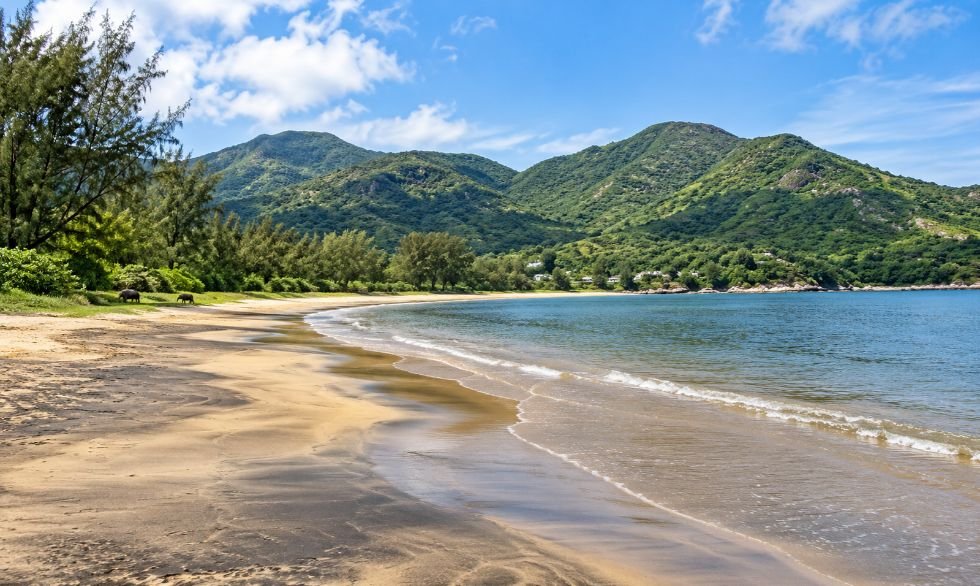
Club Pui is a name linked to Pui O, a coastal area on Lantau Island in Hong Kong. This place is known for its sandy beach, green hills, camping areas, and outdoor fun. Visitors can enjoy nature, walk along the coast, and spend time away from busy city streets. The local villages and water buffalo also make Pui O a special place to visit.
The area has several outdoor venues, including JK Club and Treasure Island Beach Club. These places offer food, events, and nature activities. This guide explains the location, history, camping options, facilities, costs, transport, and safety tips. It also covers changes to local services in 2026.
Quick Facts
| Feature | Details |
|---|---|
| Name | Club Pui |
| Official status | Informal name used in travel content |
| Associated destination | Pui O |
| Location | South Lantau Island, Hong Kong |
| Country/Region | Hong Kong SAR, China |
| Main attraction | Pui O Beach |
| Beach type | Public coastal beach |
| Sand type | Mixed dark and golden sand |
| Nearby bay | Pui O Wan |
| Nearby villages | Lo Wai, San Wai, Lo Uk |
| Nearby nature area | Lantau South Country Park |
| Known private operator | JK Club |
| JK Club address | 20D Lo Wai Village, Pui O |
| Former JK Club service | Caravan and glamping stays |
| JK Club status in 2026 | Caravan stays ended |
| Current JK Club services | Workshops, events, nature activities |
| JK Club event areas | Goat Farm, Mulberry Farm, White Tent |
| Government campsite | Pui O Campsite |
| Campsite management | Leisure and Cultural Services Department (LCSD) |
| Public camping spaces | 54 marked camp bays |
| Government campsite cost | Free |
| Camping registration | On-site applications on ordinary operating days |
| Special booking system | SmartPLAY ballot on specified holidays |
| Public campsite check-in | No earlier than 11 a.m. |
| Public campsite checkout | Before 10 a.m. |
| Private outdoor operator | Treasure Island Group |
| Nearby restaurant | Treasure Island Beach Club Restaurant |
| Main activities | Camping, hiking, surfing, beach walks |
| Wildlife | Feral water buffalo |
| Public transport | New Lantao Bus, ferry, blue Lantau taxis |
| Main bus route | Route 3M from Tung Chung |
| Road access | Private vehicle restrictions apply |
| Suggested visiting season | Autumn and early winter |
| Beach entry fee | Free |
| Swimming | Subject to beach and weather conditions |
| Official beach information | Hong Kong LCSD |
| Official weather source | Hong Kong Observatory |
What Is Club Pui?
The name Club Pui appears in online travel guides about Pui O Beach and nearby outdoor stays. However, it is not the confirmed name of a separate hotel, campsite, or resort. Most travel content using this name focuses on camping, beach trips, and nature activities around Pui O.
JK Club is one of the private venues in this area. It once offered caravan stays but has stopped taking those bookings. The venue now focuses on outdoor events, family workshops, and nature activities. Pui O Beach and the public campsite are separate places run by the Hong Kong government.
Where Is Club Pui Located?
Pui O is on the southern coast of Lantau Island in Hong Kong. Its beach faces Pui O Wan and sits near green hills and small villages. The area includes Lo Wai, San Wai, and Lo Uk. These villages have local homes, small shops, and roads that lead toward the beach.
Nearby Places
- Pui O Beach: A public beach known for its dark and golden sand.
- Lo Wai Village: The village where JK Club is located.
- Lantau South Country Park: A nearby area with hills and walking trails.
- Pui O Wan: The coastal bay beside Pui O Beach.
JK Club’s listed address is 20D Lo Wai Village, Pui O, Lantau Island. Visitors can explore the beach and nearby villages during the same trip.
History
Pui O was once a rural farming area. Rice fields and wetlands were an important part of village life. Farmers used water buffalo to work the land. As farming became less common, many fields were left unused. Water buffalo still live around the area and can sometimes be seen near the beach.
Outdoor tourism later brought more visitors to Pui O. Treasure Island Group began running outdoor adventure programmes in 1996. Its activities grew to include surfing, camping, and nature programmes. JK Club also became known for its caravan stays and outdoor spaces. These services brought families, school groups, and outdoor lovers to the area.
What Does Club Pui Offer in 2026?
JK Club now offers outdoor events, nature workshops, school activities, and private gatherings. Its website states that caravan stays and related bookings have ended. Older websites may still show caravan photos, overnight packages, and meal deals. These should not be treated as current offers.
JK Club Event Areas
The venue covers about 20,000 square feet and has three main spaces:
- Goat Farm: Holds around 200 guests for larger events.
- Mulberry Farm: Holds around 100 guests for workshops and gatherings.
- White Tent: Holds around 100 guests for meals, weddings, and group events.
Visitors can ask about half-day or full-day bookings. Food, equipment, and other services depend on the event package. Guests should confirm what is included before making a payment.
Camping and Stay Options
Visitors who want to stay overnight near Pui O Beach have public and private camping options. The government-managed Pui O Campsite has 54 marked camping bays. It is free to use, but campers must follow the registration rules. On most normal operating days, spaces are given through on-site applications.
Main Camping Choices
- Pui O Campsite: Free public camping with shared facilities.
- Treasure Island Camping: Private camping services near the beach.
- Treasure Island Cabanas: Managed outdoor stays with different facilities.
- Nearby Lodging: Other private rooms and stays may be available around South Lantau.
Treasure Island also lists apartment stays. Prices and services depend on the type of booking. JK Club’s former caravans are no longer an available overnight option.
Club Pui Facilities and Amenities
Pui O Campsite provides basic facilities for outdoor stays. Campers can use public toilets, changing rooms, barbecue pits, and shaded areas. Some facilities are shared with beach visitors. Guests must bring their own tents, bedding, and personal items.
Private venues may offer different facilities. JK Club has outdoor spaces for events and group activities. Treasure Island offers camping services, cabanas, food, and beach activities.
Facilities to Check Before Booking
- Toilets and shower access
- Drinking water and washing areas
- Electricity and charging points
- Barbecue tools and cooking supplies
- Food and meal packages
- Equipment rental and storage
Not every private package includes these services. Guests should check the full list before paying.
Best Things to Do
Pui O Beach is one of the main attractions in the area. Visitors can walk on the sand, take photos, enjoy sea views, and relax by the water. Swimming is possible when the beach is open and conditions are safe. Treasure Island also offers surfing and other outdoor programmes.
Popular Outdoor Activities
- Beach walks: Explore the coast and enjoy the scenery.
- Swimming: Use the beach when lifeguards are on duty.
- Surfing: Check lessons and equipment with local providers.
- Hiking: Explore walking routes around South Lantau.
- Nature workshops: Join craft and outdoor learning sessions.
- Photography: Capture the beach, hills, and wildlife.
Treasure Island also began its Sundays By The Bay event series in October 2026. The event brings together music, food, local sellers, and community activities on selected Sundays.
Beach, Wildlife, and Natural Beauty
Pui O Beach has a mix of dark and golden sand. Green hills stand behind the coast, while streams and wetlands cover parts of the nearby land. The beach has wide views of Pui O Wan. At low tide, more sand becomes visible along the shore.
Water Buffalo
Water buffalo are among the area’s best-known animals. They were once used for farm work and are still found around local fields, paths, and beaches.
Visitors should follow these rules:
- Watch buffalo from a safe distance.
- Never feed or touch them.
- Do not chase them or block their path.
- Keep children away from resting animals.
- Take food waste and rubbish away.
Sea conditions can change after storms. Visitors should check beach warnings and water quality reports before swimming.
Food and Dining
Treasure Island Beach Club Restaurant is a well-known dining spot near Pui O Beach. It serves food and drinks in a coastal setting. Visitors can check the current menu before arriving. The beach club also hosts outdoor events where food may be available.
Small restaurants and village shops offer other food choices around Pui O. Campers can also cook at approved barbecue facilities.
Food Tips for Visitors
- Check restaurant hours before travelling.
- Bring drinking water for outdoor activities.
- Buy food supplies before setting up camp.
- Use only approved barbecue areas.
- Store food safely and keep wildlife away.
- Clean cooking areas after use.
Food prices and menu choices may change. Visitors should check with each restaurant for current details.
Prices and Booking Guide
The cost of visiting Pui O depends on the services used. Entry to the public beach is free. Pui O Campsite is also free, but campers must follow its rules. Private camping, food, workshops, and equipment rentals may cost extra.
Free and Paid Options
| Service | Cost |
|---|---|
| Pui O Beach entry | Free |
| Government campsite | Free |
| Public campsite facilities | Free to registered users |
| Private camping | Paid |
| Private cabanas | Paid |
| Workshops and events | Depends on the activity |
| Food and equipment rental | Depends on the provider |
Special campsite booking rules apply during Lunar New Year, Labour Day, and National Day periods. Eligible Hong Kong residents can use the SmartPLAY ballot system for specified dates. On normal operating days, applications are made at the campsite office.
Visitors should also check the weekly maintenance closure. For private bookings, confirm the price, deposit, payment method, and cancellation rules.
How to Get to Club Pui?
Pui O is accessible by public transport from several parts of Hong Kong. Visitors can travel through Tung Chung or Mui Wo. Buses and blue Lantau taxis provide access to the area.
From Tung Chung
Take New Lantao Bus Route 3M from Tung Chung Station Bus Terminus toward Mui Wo. The route serves Pui O. Travel time depends on traffic and the chosen stop.
From Central
Take a ferry from Central to Mui Wo. From Mui Wo, use a local bus serving Pui O. Routes 1 and 4 serve the campsite area.
By Taxi or Private Car
Blue Lantau taxis operate in the area. Private vehicles face restrictions on South Lantau roads. Drivers may need a valid permit.
Visitors should check current transport routes and allow extra time when carrying camping equipment.
Best Time to Visit
The best time to visit Pui O depends on the weather and planned activities. November and December often have mild temperatures and pleasant outdoor conditions. These months may suit camping, hiking, and beach walks.
Spring can also be suitable, but humidity and rain may affect outdoor plans. Summer is usually hot and humid, with more showers and thunderstorms.
Seasonal Travel Tips
- Spring: Check for rain before hiking or camping.
- Summer: Prepare for heat, humidity, and heavy rain.
- Autumn: Often a good time for outdoor activities.
- Winter: Cooler weather may suit hiking and camping.
Hong Kong can experience tropical cyclones during the warmer months. Check the Hong Kong Observatory forecast before leaving. Public holidays may also increase demand for camping spaces.
Club Pui vs Other Beaches in Hong Kong
Pui O Beach is known for camping, wildlife, and rural scenery. Other Hong Kong beaches offer different experiences. Some have more restaurants and easier city access, while others are better suited to hiking.
Beach Comparison
| Beach | Main Attractions | Camping |
|---|---|---|
| Pui O Beach | Nature, wildlife, beach walks | Government campsite |
| Cheung Sha Beach | Long sandy coast, dining, water sports | Check private options |
| Shek O Beach | Swimming, restaurants, village setting | Mainly day visits |
| Tai Long Wan | Remote beaches, hiking, coastal views | Check local camping rules |
Pui O is a good option for visitors who want beach access and a public campsite in one area. Cheung Sha may suit those who prefer coastal dining. Shek O is popular for day trips, while Tai Long Wan requires more travel planning.
Is Club Pui Reliable and Safe?
Pui O Beach and its public campsite are official facilities managed by Hong Kong’s Leisure and Cultural Services Department. Visitors can check government websites for camping rules, services, and beach information.
JK Club and Treasure Island are private businesses with their own booking terms. Their websites provide details about current activities and services. Older caravan reviews may no longer match what JK Club offers today.
Safety Tips
- Use official websites for bookings.
- Check recent visitor reviews and service updates.
- Follow beach signs and lifeguard advice.
- Avoid swimming during unsafe weather.
- Keep away from wild water buffalo.
- Use approved barbecue areas.
- Follow public campsite rules.
- Keep booking details and emergency contacts with you.
Visitors should also check the weather before hiking or camping. Heavy rain can affect trails, roads, and sea conditions.
Travel Tips and Visitor Guide
Planning ahead helps visitors enjoy Pui O without missing important details. Beach visitors need comfortable clothes, sun protection, and water. Campers need more supplies, including a tent, bedding, cooking items, and personal care products.
What to Pack
- Comfortable walking shoes
- Hat and sunscreen
- Drinking water
- Insect repellent
- Rain jacket or umbrella
- Phone charger and power bank
- Tent and sleeping supplies for camping
- Toiletries and spare clothes
- Cash and booking details
- Bags for rubbish and wet clothing
One-Day Plan
Start with a morning walk along Pui O Beach. Have lunch at a nearby restaurant, then explore the village or join a planned outdoor activity. Check the return bus or ferry schedule before leaving.
Overnight Plan
Arrive at the campsite during its registration hours. Set up your tent, visit the beach, and prepare dinner at an approved cooking area. Campers should check in no earlier than 11 a.m. and leave before 10 a.m. on their departure day.
Pui O offers public camping, beach activities, local food, and nature walks in one coastal area. Visitors should check current booking rules, transport details, and weather before travelling. This helps them choose suitable activities and avoid outdated accommodation offers.
FAQs
What is Club Pui in Hong Kong?
Club Pui is an informal name used in travel guides about Pui O Beach, camping, and outdoor activities on Lantau Island.
Where is Club Pui located?
It is linked to Pui O on South Lantau Island, Hong Kong, near Pui O Beach and Lo Wai Village.
Can you stay overnight at Club Pui?
You can camp at Pui O Campsite or check private stays nearby, but JK Club no longer offers caravan bookings.
Is camping at Pui O Beach free?
Yes, the government-run Pui O Campsite is free, but visitors must follow its registration and camping rules.
What is the best time to visit Club Pui?
November and December often have mild weather, making them good months for camping, hiking, and beach walks.
MORE INTERESTING: SEO Instant Appear HighSoftware99.com: Does It Really Work?
How Head and Neck Surgery Specialists Use Sialendoscopy for Diagnosis
How to Decide if You Need Benign Lump Excision and Scar Revision in London
What to Avoid After Cataract Surgery and Refractive Lens Exchange Surgery in London

Meet Lisa Ann Mudd, Sydney Sweeney’s Mother and Former Attorney

Jason Lawson: The Story of Hayley Mills’ Son

Nina Weiss: All You Need to Know About Manuel Neuer’s Ex-Wife
-
 News3 months ago
Meet Lisa Ann Mudd, Sydney Sweeney’s Mother and Former Attorney
-
 Celebrity4 months ago
Jason Lawson: The Story of Hayley Mills’ Son
-
 Celebrity4 months ago
Nina Weiss: All You Need to Know About Manuel Neuer’s Ex-Wife
-

 Celebrity4 months ago
Sandra Davenport: The Untold Story of Jim Belushi’s First Marriage
-

 News3 months ago
Who Is Rebecca Dyer? Meet David Foster’s Ex-Wife
-

 Biographies3 months ago
Who is Thomas Earle? All About Alix Earle’s Father
-

 Celebrity4 months ago
Jack Scarborough: Everything About Joe Scarborough’s Son
-

 Celebrity4 months ago
Debra Rodman: Inside the Life of Dennis Rodman’s Powerful Sister