
Home Improvement
Hardscapes That Turn Ordinary Outdoor Spaces into Functional Retreats


Outdoor spaces can serve many purposes beyond growing plants and maintaining a lawn. A well-planned yard can provide room for dining, walking, relaxing, entertaining, and enjoying nature. However, these activities need suitable surfaces and structures to support everyday use.
Hardscapes create the physical framework that makes these spaces practical. They include patios, garden paths, retaining walls, steps, driveways, and decorative paving. Each feature should serve a clear purpose while complementing the surrounding property. Thoughtful hardscape landscaping also considers drainage, material durability, and the relationship between built surfaces and greenery.
Give Every Outdoor Area a Clear Purpose
A successful outdoor layout starts with understanding how people will use the available space. A family that enjoys outdoor meals may need a spacious patio. Someone with a large garden might prefer winding paths that connect different sections. A small yard may benefit from a compact seating area and carefully positioned stepping stones.
Planning these features together helps prevent wasted space. It also creates a natural connection between different outdoor activities.
Create Comfortable Places for Everyday Activities
Patios provide stable surfaces for outdoor furniture, dining tables, and seating arrangements. Their position should consider sunlight, privacy, and access from the house. A patio near the kitchen can make outdoor meals easier. A quieter corner can provide space for reading or relaxing. These features are important in effective hardscape landscaping because they make outdoor areas more practical.
Garden paths also improve movement across the property. They connect entrances, seating areas, planting beds, and other features. Clearly defined routes prevent people from walking through planted sections. They also make the overall layout easier to understand.
Select Materials That Support Long-Term Use

Material selection affects how outdoor surfaces look and perform. Some materials suit heavy foot traffic, while others work better for decorative garden features. Climate, soil conditions, water exposure, and maintenance needs should guide the decision.
The most suitable hardscapes combine practical performance with a consistent appearance. Choosing materials only for their color or initial appearance can create problems later.
What Materials Are Best for Durable Hardscapes?
Concrete pavers, natural stone, exterior brick, and properly installed concrete are common choices for durable outdoor surfaces. Each offers different advantages depending on its intended application.
- Concrete pavers provide a stable surface for patios, walkways, and driveways. Individual units can often be replaced without removing the entire installation.
- Natural stone offers distinctive textures and colors. Granite, flagstone, and suitable limestone can work well for paths, steps, and seating areas.
- Exterior brick provides a traditional appearance. Its suitability depends on the product’s weather resistance and intended outdoor use.
- Poured concrete creates continuous surfaces for larger areas. Proper reinforcement, joints, curing, and base preparation help reduce cracking.
- Gravel supports informal pathways and garden seating areas. It allows water to pass through but needs suitable edging and occasional maintenance.
No single material suits every outdoor project. A textured stone may work well around a garden, while concrete pavers may provide a more practical surface for frequent movement. The selection should reflect the surface’s purpose and expected use.
Connect Different Areas With Natural-Looking Pathways
Pathways give outdoor spaces structure and make movement easier. They can lead from the main entrance to a patio, connect garden beds, or create access to a separate seating area. Their shape and material influence the overall appearance of the property.
Straight pathways often suit modern layouts. Curved routes create a softer appearance and work well around trees and planted sections. The pathway width should allow comfortable movement without taking too much room from the garden.
Use Stepping Stones to Create Flexible Routes
Stepping stones offer an alternative to continuous paved walkways. They can cross grassy areas, connect garden features, or provide access through decorative planting. Their spacing should support a comfortable walking rhythm.
Stable placement is important for everyday safety. Stones should sit firmly on a prepared base and remain level with the surrounding surface where appropriate. Suitable edging or ground preparation can help prevent movement. These details make smaller hardscapes more comfortable and reliable.
Build Retaining Walls That Improve Usable Space
Sloped gardens can limit the amount of practical outdoor space. Retaining walls help manage changes in ground level and create flatter sections for different activities. They can support raised planting beds, define patio boundaries, and separate functional areas.
The wall material should complement nearby paving and the property’s exterior. Concrete blocks offer consistent shapes, while natural stone creates a more organic appearance. Timber may suit smaller decorative applications, depending on exposure and structural requirements.
Plan Wall Drainage Before Construction
Water management is essential for retaining wall performance. Soil behind a wall can become saturated and create additional pressure. Without suitable drainage, the structure may lean, bulge, or become unstable.
A suitable design may include drainage aggregate, filter fabric, and perforated drainage pipes. Wall height, soil conditions, nearby structures, and additional loads also affect construction requirements. Larger or structurally demanding walls may require professional engineering.
Make Outdoor Living Areas More Comfortable
Outdoor living areas should support the activities people actually enjoy. A patio can accommodate dining furniture, while a separate seating area can provide a quieter place to relax. Dividing a large space into smaller sections can make it feel more organized.
Fire pit surroundings, built-in seating, and decorative borders can add useful features. However, each addition should leave enough room for safe movement. Furniture placement, access routes, and surface stability deserve attention during planning.
Lighting also contributes to outdoor usability. Path lights can improve visibility along walkways, while softer lighting can define seating areas. Properly selected outdoor fixtures help people use these spaces after sunset.
Understand the Latest Trends in Hardscape Materials and Designs
Current outdoor design approaches place greater attention on natural textures, practical layouts, and sustainable materials. Rather than covering every available surface, many designs combine paved areas with planting beds and open ground.
Several design directions are worth considering:
- Natural stone finishes: Irregular textures and earthy colors create a connection with the surrounding landscape.
- Larger paving formats: Larger slabs can produce a cleaner appearance with fewer visible joints.
- Mixed materials: Combining concrete, gravel, brick, and natural stone can define separate outdoor zones.
- Integrated seating: Built-in benches and low retaining walls can provide seating without adding excessive furniture.
- Sustainable surfaces: Permeable paving and recycled materials support more environmentally conscious layouts.
- Simpler patterns: Repeated shapes and restrained color combinations create a consistent appearance.
These ideas can work across different property sizes. The important consideration is how each design choice supports movement, comfort, and maintenance. A restrained material palette often makes it easier to connect patios, paths, walls, and garden features.
Include Permeable Surfaces in the Drainage Plan
Solid outdoor surfaces can change how rainfall moves across a property. Traditional concrete and tightly jointed paving limit the amount of water that enters the ground. Rainwater may then collect in low areas or flow toward nearby structures.
A suitable drainage plan should consider the entire property. It should account for existing slopes, soil conditions, downspouts, paved areas, and nearby planting beds.
Can Permeable Hardscape Solutions Help With Stormwater Management?
Yes. Permeable hardscape solutions allow rainwater to pass through suitable surface openings and into an underlying drainage layer. This can reduce surface runoff and support natural water infiltration.
Common options include permeable concrete pavers, porous concrete, gravel, and grid paving systems. Some interlocking pavers use wider joints filled with small aggregate. These openings allow water to move through the paved surface.
However, the complete installation matters as much as the visible material. A permeable surface needs an appropriately designed base that can temporarily hold and release water. Soil infiltration, groundwater conditions, and local drainage requirements should also be assessed.
Maintenance is equally important. Sediment and debris can block surface openings and reduce drainage performance. Periodic cleaning helps preserve the system’s ability to absorb rainfall.
Prepare the Ground Before Installing Outdoor Features
A durable surface needs more than suitable paving materials. Excavation, soil preparation, compaction, and drainage influence how well the finished installation performs.
The installation process generally begins with marking the planned area. The ground is then excavated to accommodate the foundation and surface material. A suitable aggregate base provides support and helps distribute loads. Bedding materials and edge restraints keep paving units in their intended positions.
The exact construction method depends on the selected material and intended use. Driveways need different structural preparation from decorative garden paths. Retaining walls also require additional attention to soil pressure and drainage.
Poor preparation can lead to uneven surfaces, spreading edges, standing water, and cracked paving. Checking the foundation before installation helps avoid these problems.
Balance Built Surfaces With Plants and Open Areas
A yard can feel crowded when paved surfaces dominate the entire layout. Plants soften hard edges and create visual contrast against concrete, stone, and brick. They also provide shade and help maintain a more natural outdoor environment.
Consider placing planting beds beside pathways or around patio boundaries. Low-growing plants can soften the edges of stepping stones. Trees can provide shade near seating areas, while shrubs can create privacy around outdoor gathering spaces.
This balance is an important part of effective hardscape landscaping. Built features provide structure, while greenery adds texture and seasonal interest. Leaving some areas open also helps preserve the natural character of the property.
Maintain Surfaces to Preserve Their Appearance
Outdoor materials experience regular exposure to sunlight, moisture, dirt, and changing weather. Basic maintenance helps prevent minor problems from becoming larger repairs.
Sweep paved areas to remove loose debris. Clean stains with products suitable for the installed material. Check joints for missing sand and inspect edges for movement. Remove weeds before their roots disturb the paving.
Natural stone may need material-specific cleaning or sealing. Concrete should be inspected for cracks and surface deterioration. Retaining walls should also be checked for unusual movement, blocked drainage outlets, or water buildup.
Regular inspections make it easier to identify developing issues. They also help maintain the appearance and usability of outdoor features over time.
Conclusion
Well-planned hardscapes make outdoor spaces more useful without sacrificing their natural appearance. Patios, walkways, retaining walls, and stepping stones each serve a different purpose. Their success depends on appropriate materials, careful ground preparation, and effective drainage.
A balanced approach to hardscape landscaping also creates room for plants, shade, and outdoor activities. By considering how people use the property, homeowners can create practical spaces that remain comfortable and visually consistent.
Frequently Asked Questions
What is included in hardscaping?
Hardscaping includes patios, walkways, driveways, retaining walls, steps, and other permanent outdoor structures. These features provide the functional framework of a landscape.
Which hardscape materials require less maintenance?
Concrete pavers, suitable natural stone, and quality exterior brick generally require limited routine maintenance. Their performance depends on installation quality and environmental conditions.
Are natural stone surfaces suitable for outdoor patios?
Yes. Natural stone provides a durable and attractive patio surface. Choose stones with suitable slip resistance, weather performance, and surface consistency.
How can small gardens benefit from hardscape landscaping?
Small gardens can use stepping stones, compact patios, and narrow pathways to improve movement. These features organize the available space without covering the entire garden.
Do permeable pavers need regular maintenance?
Yes. Their joints and openings need periodic cleaning to prevent sediment buildup. Proper maintenance helps preserve water infiltration.

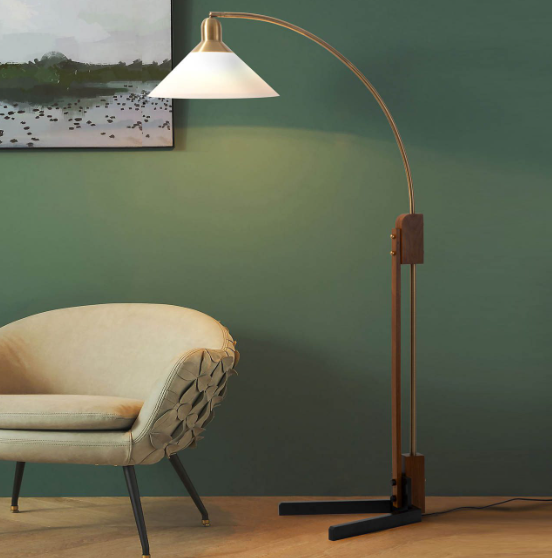
There are exactly three pieces of furniture that define a living room. The sofa, because everything else orients around it. The coffee table, because it anchors the conversation zone. And the lamp, because it determines whether the room feels alive after dark or just occupied.
Of all lamp categories, the arc floor lamp makes the strongest case for that third spot. Its dramatic curve reaches over seating areas like an architectural gesture, providing overhead light without a ceiling fixture, sculptural form without a pedestal, and visual weight without visual clutter. It is the rare piece that does more by standing still than most accessories do by trying hard.
The NOVA arc lamp collection carries that principle forward with fixtures designed in California since 1961, each one built to be the first thing guests notice when they walk into a room.
An arc floor lamp is the ultimate living room statement piece because it combines the function of overhead lighting with the visual impact of sculpture. Its sweeping curve creates a focal point, defines seating areas, and delivers warm, adjustable light from above without any ceiling installation.
The Design History That Made Arc Lamps Iconic
The arc lamp’s place in design history starts in 1962, when brothers Achille and Pier Giacomo Castiglioni unveiled the Flos Arco in Milan. The concept was radical for its time: a floor lamp with a marble base heavy enough to counterbalance a stainless steel arm that swept nearly seven feet across a room. It brought overhead light to any space without touching the ceiling, and it did so with a silhouette that read as sculpture first and fixture second.
Around the same time, on the other side of the world, NOVA of California was developing its own arc lamp designs from a studio in Venice Beach. While the Castiglioni brothers worked in Italian marble and steel, NOVA drew on California’s mid century modern movement, using weathered brass, natural materials, and forms that felt warmer and more residential than their European counterparts. The NOVA Original 1961 Morelli Arc Lamp became one of the earliest American arc lamp designs to reach a wide audience.
That parallel history matters. The Flos Arco proved that an arc lamp could be art. NOVA proved it could be home.
What an Arc Lamp Does That No Other Floor Lamp Can
A standard floor lamp stands beside the sofa and casts light sideways. It is useful but architecturally inert. A pendant light hangs from the ceiling and requires wiring, a junction box, and usually professional installation. An arc floor lamp splits the difference. It stands on the floor but reaches overhead, delivering downward light from above without any ceiling work.
That mechanical advantage has real design consequences. An arc lamp defines a zone within a room. Place it behind the left end of a sectional sofa and suddenly that corner becomes the reading nook. Position it over a dining table in an open floor plan and it creates the sense of a dedicated dining area even when no walls exist. The lamp’s curve acts as an invisible boundary, telling your eye where one zone ends and another begins.
The NOVA Luna Bella Arc Floor Lamp takes this further with three individual drum shades that spread light across a wider arc. Instead of a single point of light, the Luna Bella creates a canopy of illumination that covers an entire seating group. It is the kind of fixture that makes a room feel professionally designed even when everything else in it came from a single weekend of shopping.
Placement Rules That Make or Break the Effect
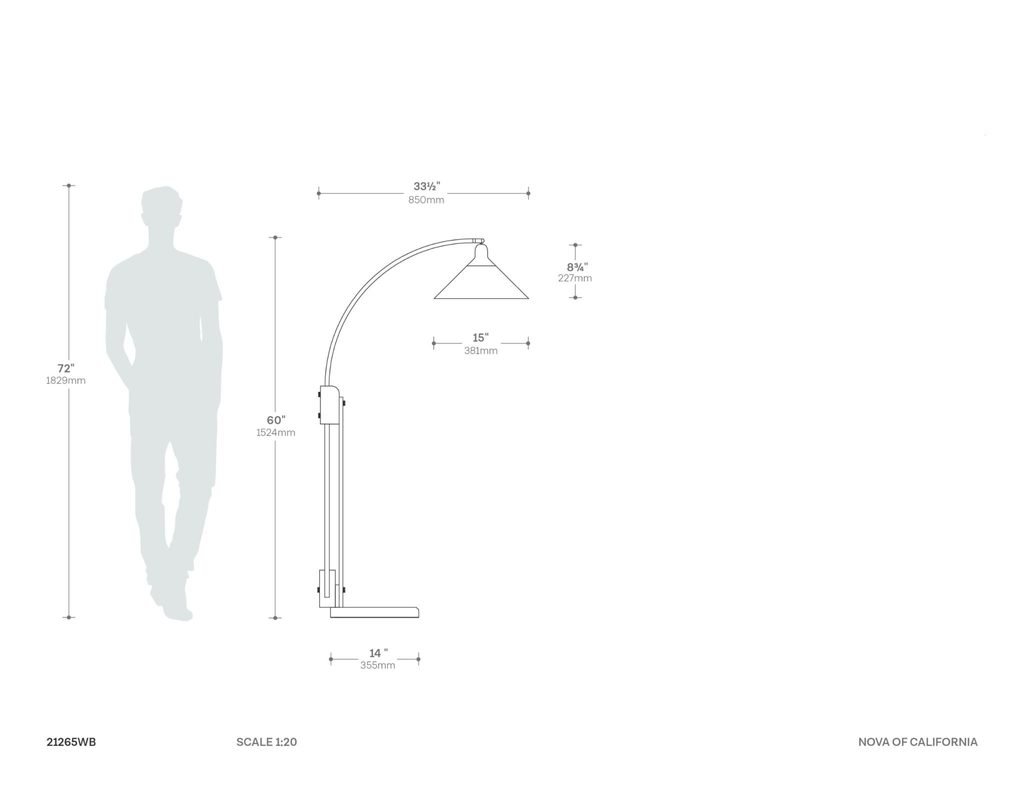
An arc lamp in the wrong position is just a tall thing taking up space. In the right position, it transforms the room. The placement principles are straightforward but non negotiable.
First, the base goes behind or beside the sofa, never in front of it. The arm should curve over the seating area so the shade hangs roughly above the centerline of the cushions. This places the light where people actually sit rather than in the walkway beside the furniture.
Second, leave at least eighteen inches between the bottom of the shade and the top of anyone’s head when seated. An arc lamp that hangs too low feels oppressive. One that arcs too high loses the intimate pool of light that makes the fixture worth owning.
Third, consider the arc’s relationship to the wall behind it. A dark wall behind the lamp creates dramatic contrast, making the curve of the arm more visible. A light wall softens the effect and lets the lamp blend more subtly into the room. Neither is wrong, but each creates a very different visual result.
Finishes That Anchor a Living Room’s Entire Palette
The finish on an arc lamp acts as a metallic anchor for the room. Because the lamp is tall and visually prominent, its finish sets the tone for every other metal element in the space: cabinet hardware, picture frames, side table legs, and decorative objects.
Weathered brass reads as warm, organic, and lived in. It pairs naturally with leather, walnut, and warm textiles. Satin nickel reads as clean and modern without the coldness of polished chrome. It works well with cooler palettes, white oak, and linen. Matte black is the most versatile finish, pairing with virtually any color scheme and adding graphic contrast to lighter rooms.
NOVA offers arc lamps in all three finishes, and the choice between them is one of the most consequential design decisions a homeowner can make. The right finish does not just match the room. It completes it.
Smart Ready Without the Smart Price
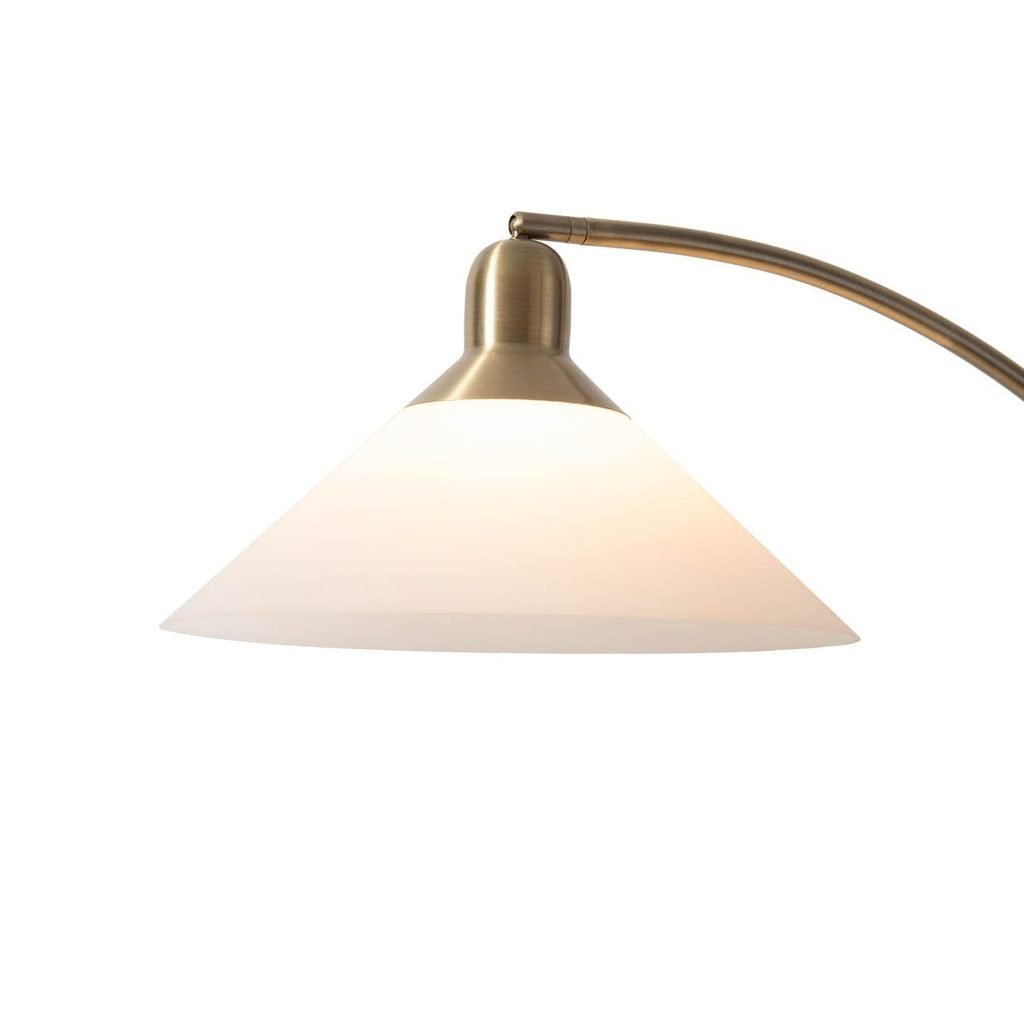
Every NOVA arc lamp ships with a standard E26 socket, which means the fixture itself is a blank canvas for whatever bulb technology you prefer. Screw in a Philips Hue or LIFX smart bulb and you have voice controlled dimming, color temperature adjustments, and scheduling through your phone. The lamp stays classic. The technology stays current. And when the next generation of smart bulbs arrives, you swap the bulb rather than replacing the entire fixture.
That is the advantage of a well designed dumb fixture in a smart world. It outlasts every technology cycle because the intelligence lives in the bulb, not the base. A NOVA arc lamp purchased today will still be relevant, functional, and beautiful in twenty years. The smart bulb inside it will have been upgraded three times by then, and none of those upgrades will require touching the lamp itself.
One Piece, One Decision, One Transformation
Most living room upgrades require multiple purchases, professional help, or weeks of deliberation. An arc floor lamp is a single piece that arrives in a box, stands up in minutes, and changes how the room looks, feels, and functions from that moment forward.
It is the one purchase where form and function are genuinely inseparable. The lamp does not just light the room. It shapes it. Explore the full NOVA arc lamp collection and see how a single piece of lighting can redefine your living room without changing anything else in it.


Most homeowners don’t think about their roof until something goes wrong. Water stains on the ceiling. A missing shingle after a storm. A spike in energy bills that makes no sense. By the time these signs show up, the damage is often already spreading — quietly, out of sight, above your head.
That’s the trouble with roofs. They’re built to be forgotten, tucked away where nobody looks unless they have a reason to. But a roof is one of the hardest-working parts of your home, absorbing sun, wind, rain, and snow year after year. Neglect it long enough, and small issues turn into expensive repairs or full replacements.
At Cathedral Roofing Innovations, Inc., we’ve seen firsthand how a little proactive attention saves homeowners thousands of dollars down the line. This post walks through why your roof needs regular checkups, what typically goes wrong when it’s ignored, and how professional care can keep your home protected for decades.
The Hidden Cost of Ignoring Roof Problems
Roofs rarely fail all at once. Damage tends to build gradually — a cracked flashing here, a loosened shingle there — until one heavy rainstorm turns a minor issue into a major leak. By then, you’re not just fixing the roof. You’re dealing with water damage to insulation, drywall, and possibly even your home’s structural framing.
Energy efficiency takes a hit too. A compromised roof lets conditioned air escape and outside temperatures creep in, forcing your HVAC system to work overtime. That shows up on your utility bill long before it shows up as a visible leak.
There’s also the matter of resale value. Buyers and home inspectors pay close attention to roof condition. A roof in poor shape can knock thousands off an offer or scare buyers away entirely, even if the rest of the home is in excellent condition.
Common Warning Signs Homeowners Often Miss
Roofs tend to send signals before they fail outright. The challenge is knowing what to look for, since many of these signs aren’t visible from ground level.
- Curling or cracked shingles: Often caused by age or sun exposure, this is one of the clearest indicators that a roof is nearing the end of its lifespan.
- Granule buildup in gutters: Shingles shed granules as they wear down, and finding them in your gutters is a sign of deterioration.
- Sagging rooflines: This can point to structural issues underneath the surface, including rotted decking or compromised support beams.
- Moss or algae growth: While it might look harmless, moss retains moisture against the roofing material, accelerating decay.
- Daylight through the attic: If you can see light peeking through attic boards, that’s a direct path for water and pests to enter.
Catching these early makes the difference between a simple repair and a full roof replacement.
How Professional Roof Care Protects Your Investment
A home is likely the single largest investment most people make, and the roof is its first line of defense. Professional roofing teams bring trained eyes and specialized tools to identify problems that homeowners often overlook — things like subtle flashing separation, early-stage rot, or ventilation issues that quietly shorten a roof’s lifespan.
Beyond spotting problems, professionals understand how different roofing materials age and what maintenance each type requires. Asphalt shingles, metal roofing, and tile all wear differently and call for different care strategies. Getting this right extends the life of your roof and protects the rest of your home from water intrusion, mold, and structural damage.
Working with a dedicated roofing team also means access to proper documentation. This matters for insurance claims, home sales, and warranty coverage, where a clear record of maintenance and repairs can make the difference between a smooth process and a denied claim.
Why Regular Roof Checkups Matter More Than You Think
Scheduling a thorough roof inspection twice a year is one of the simplest ways to catch small problems before they turn into costly repairs. Think of it the same way you’d think about a car’s annual service — a quick, routine check now prevents a breakdown later.
During a seasonal checkup, trained professionals assess everything from shingle condition and flashing integrity to attic ventilation and gutter function. This kind of thorough review catches the kind of hidden damage that’s easy to miss from the ground, whether that’s a small leak just beginning to form or ventilation issues quietly shortening your roof’s lifespan.
The timing matters too. Spring and fall are ideal windows, since they come right before the seasons that put the most strain on a roof — scorching summer heat and winter snow and ice. Addressing minor wear before these extremes hit means your roof is prepared to handle whatever the weather brings.
At Cathedral Roofing Innovations, Inc., our team specializes in exactly this kind of proactive care, giving homeowners peace of mind and helping them avoid the expensive surprises that come from deferred maintenance.
Protect Your Home Before Small Problems Grow
A roof in good condition does more than keep the rain out. It protects your family, preserves your home’s value, and saves you from costly emergency repairs down the road. The difference between a roof that lasts its full lifespan and one that fails early often comes down to consistent, professional attention.
If it’s been a while since your roof had a proper checkup, now is a good time to change that. Reach out to Cathedral Roofing Innovations, Inc. to schedule your seasonal assessment and give your home the protection it deserves.
Frequently Asked Questions
How often should a roof be checked by a professional?
Most roofing experts recommend a professional checkup twice a year, ideally in spring and fall, along with an additional check after any major storm.
What’s the average lifespan of a residential roof?
This varies by material. Asphalt shingles typically last 20 to 25 years, metal roofing can last 40 to 70 years, and tile roofs often exceed 50 years with proper care.
Can small roof issues really lead to major damage?
Yes. Small issues like a cracked shingle or loose flashing can allow water to seep in, leading to rot, mold, and structural damage if left unaddressed.
Is roof maintenance worth the cost?
In most cases, yes. Routine maintenance costs significantly less than emergency repairs or premature replacement, making it a smart long-term investment.

Florida’s groundwater tells a complicated story. Beneath the sunshine and palm trees sits an aquifer system loaded with minerals, sediment, and, in many neighborhoods, aging municipal infrastructure that struggles to keep pace with growth. For homeowners across the Tampa Bay area, this means tap water that looks clear in a glass but carries hidden issues your family can taste, smell, or feel on their skin after a shower.
Cigar City Water Pros has spent years listening to residents describe the same frustrations: chalky buildup on faucets, a faint chlorine smell, or skin that feels dry no matter how much lotion gets applied. These aren’t just annoyances. They’re signals that the water flowing through your pipes needs a closer look.
This post breaks down what’s actually happening in Tampa’s water supply, why it matters for your home and health, and what local families are doing to fix it for good.
What’s Really in Tampa’s Water Supply?
Florida sits on one of the most mineral-rich aquifers in the country. That’s good news for geology enthusiasts, but it’s a mixed bag for homeowners. Hard water, caused by high concentrations of calcium and magnesium, is one of the most common complaints across Hillsborough County. It leaves spots on dishes, shortens the lifespan of appliances, and makes soap less effective, which means more product used for less results.
Then there’s chlorine and chloramine, added by municipal treatment plants to keep water safe during transport. While necessary for public health, these chemicals can leave a noticeable taste and odor by the time water reaches your tap. Some neighborhoods also deal with sediment or trace metals from older pipe systems, particularly in homes built before the 1980s.
None of this means Tampa’s water is unsafe to drink. It means untreated tap water often falls short of what households actually want: water that tastes clean, protects their plumbing, and doesn’t leave residue on everything it touches.
How Hard Water Affects Your Home Over Time
Hard water doesn’t cause damage overnight, but the cumulative effect adds up. Mineral buildup inside pipes reduces water pressure and can eventually lead to costly plumbing repairs. Water heaters work harder and wear out faster when scale coats their internal components. Even washing machines and dishwashers lose efficiency, often requiring repairs years ahead of schedule.
Homeowners frequently underestimate how much hard water is costing them until they calculate the combined price of extra detergent, appliance repairs, and shortened equipment lifespans. The math tends to be a wake-up call.
Signs Your Home Could Benefit from a Water Treatment System
Not every household needs the same solution, but certain signs point clearly toward a need for improvement. If you’re noticing any of the following, it’s worth paying attention:
- White, chalky residue around faucets, showerheads, or coffee makers
- Dry, itchy skin or dull-looking hair after bathing
- Spots on glassware even after running the dishwasher
- A noticeable chlorine smell or aftertaste from tap water
- Reduced water pressure throughout the home
These issues often develop gradually, which is why many families don’t realize how much their water quality has declined until they experience the difference after treatment.
How Cigar City Water Pros Approaches Every Home Differently
No two homes in Tampa have identical water issues, which is why a one-size-fits-all solution rarely works. Cigar City Water Pros starts with an in-home water test to measure hardness, chlorine levels, pH, and any other contaminants specific to your property. From there, the team recommends a system tailored to your household’s actual needs, rather than pushing a generic package.
Comfortable, better-tasting water starts with a professional assessment of what’s actually flowing through your pipes, and that’s exactly where our Water Treatment process begins. Whether a home needs a whole-house softener, a reverse osmosis drinking water system, or a combination approach, the goal is always the same: deliver water that feels as good as it looks.
This personalized process also means homeowners aren’t paying for equipment they don’t need. Instead, they get a system sized correctly for their household’s water usage and specific quality concerns, which keeps both performance and costs predictable.
What to Expect During Installation
Many homeowners delay addressing water quality because they assume installation will be disruptive. In reality, most systems are installed in a single day with minimal interruption to daily routines. The team walks through the setup, explains maintenance expectations, and makes sure every family member understands how to get the most out of their new system before leaving the property.
The Long-Term Payoff of Treating Your Water at Home
Investing in a quality water system pays dividends well beyond the first glass of clean water. Appliances last longer when they’re not fighting mineral buildup. Skin and hair often feel noticeably better within weeks. Energy bills can even drop slightly, since water heaters and dishwashers run more efficiently without scale interference.
For families with young children or anyone sensitive to chemical tastes and smells, the difference is often immediate. Tap water starts tasting the way it’s supposed to: clean, neutral, and refreshing straight from the faucet.
Ready for Water That Actually Feels Clean?
Tampa’s water challenges are real, but they’re also entirely solvable. Thousands of local households have already made the switch to better-treated water, and the results speak for themselves through healthier skin, longer-lasting appliances, and water that finally tastes the way it should.
If your home has been dealing with hard water stains, chlorine odors, or lackluster water pressure, it might be time for a professional assessment. Cigar City Water Pros offers in-home consultations designed to pinpoint exactly what your water needs, with no pressure and no generic solutions.
Reach out today to schedule your water test and find out what a tailored treatment system could do for your home.

Hardscapes That Turn Ordinary Outdoor Spaces into Functional Retreats

Holding Company for Landlords and Property Investors: When Does a Group Structure Make Sense?

Why Short Two-Hour Flights Make Surgery in Poland Safer

Meet Lisa Ann Mudd, Sydney Sweeney’s Mother and Former Attorney

Sandra Davenport: The Untold Story of Jim Belushi’s First Marriage

Jason Lawson: The Story of Hayley Mills’ Son
-
 News3 months ago
Meet Lisa Ann Mudd, Sydney Sweeney’s Mother and Former Attorney
-
 Celebrity5 months ago
Sandra Davenport: The Untold Story of Jim Belushi’s First Marriage
-
 Celebrity4 months ago
Jason Lawson: The Story of Hayley Mills’ Son
-

 Celebrity4 months ago
Nina Weiss: All You Need to Know About Manuel Neuer’s Ex-Wife
-

 News3 months ago
Who Is Rebecca Dyer? Meet David Foster’s Ex-Wife
-

 Biographies3 months ago
Who is Thomas Earle? All About Alix Earle’s Father
-

 Celebrity4 months ago
Jack Scarborough: Everything About Joe Scarborough’s Son
-

 Celebrity5 months ago
Debra Rodman: Inside the Life of Dennis Rodman’s Powerful Sister