
Blogs & Guides
Chief Technical Examiner: Role, Duties, Inspections, and CTEO Explained

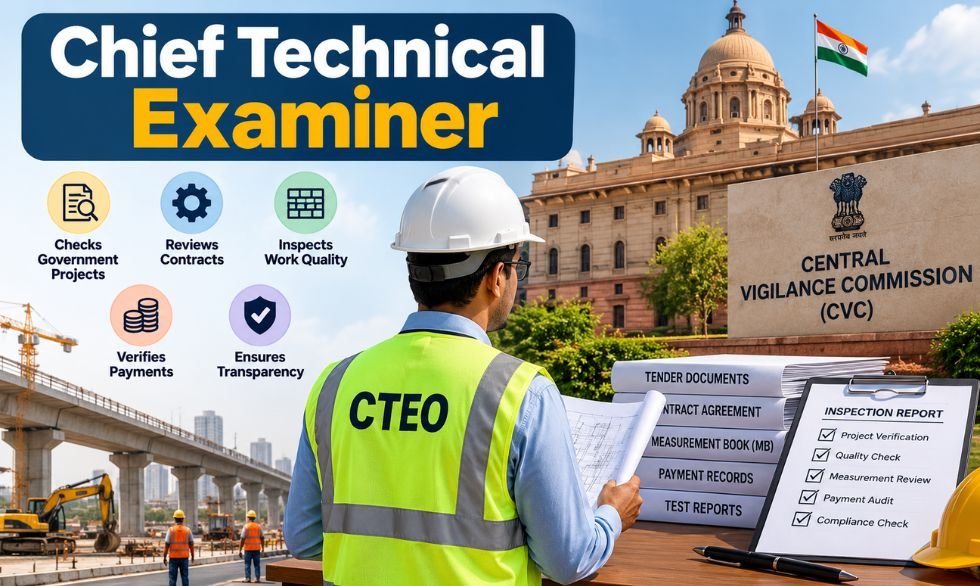
Every year, the Indian government spends money on roads, bridges, buildings, and public services. But who checks if these projects meet the rules? Who makes sure the work is done well and public money is spent correctly?
A Chief Technical Examiner (CTE) helps check these projects. The officer works through the Chief Technical Examiners’ Organisation (CTEO), which is part of India’s Central Vigilance Commission (CVC). The role includes checking government contracts, project costs, work quality, and payment records.
The CTEO was formed in 1957 and came under the CVC in 1964. Today, its work covers construction, equipment purchases, IT systems, and other government contracts. This article explains the role, history, duties, inspection process, important documents, and rules followed in 2026.
Quick Facts
| Detail | Information |
|---|---|
| Full Name | Chief Technical Examiner |
| Short Form | CTE |
| Country | India |
| Organisation | Chief Technical Examiners’ Organisation |
| Organisation Short Form | CTEO |
| Parent Body | Central Vigilance Commission (CVC) |
| Established | May 1957 |
| Original Ministry | Ministry of Works, Housing and Supply |
| Joined CVC | 1964 |
| Second CTE Post Created | 1979 |
| Officer Level | Chief Engineer |
| Number of CTE Posts | Two |
| Main Responsibility | Technical examination of government contracts |
| Main Inspection Method | Intensive Examination (IE) |
| Main Areas | Construction, procurement, IT, equipment, and services |
| Project Selection | Quarterly Progress Reports, complaints, and other criteria |
| Important Document | Measurement Book (MB) |
| Main Examination Report | Intensive Examination Report |
| Follow-Up Report | Action Taken Report (ATR) |
| ATR Submission Period | Two months under the 2026 Vigilance Manual |
| Internal Vigilance Officer | Chief Vigilance Officer (CVO) |
| Main Rules | CVC Vigilance Manual 2026, Chapter VI |
| Main Purpose | Check public spending, project quality, and contract rules |
| Government Coverage | Central government bodies under CVC jurisdiction |
| Related Agencies | CVC, CVOs, and CBI |
| Official Website | cvc.gov.in |
What Is a Chief Technical Examiner?
A Chief Technical Examiner is a senior technical officer in India. The officer works with the Chief Technical Examiners’ Organisation (CTEO), which is part of the Central Vigilance Commission (CVC). The main job is to check selected government projects and contracts.
The examiner looks at different parts of a project, such as:
- Project costs and approved plans
- Tender papers and contract terms
- Materials and work quality
- Measurements and payment records
- Rules followed during the work
For example, a government department may hire a company to build a road. The project engineer manages the work. The CTEO team may later check if the road meets the approved plan. If the road is thinner than required, the team can record the problem and ask for an explanation.
CTEO Explained
CTEO stands for Chief Technical Examiners’ Organisation. It is the technical wing of the Central Vigilance Commission in India. The CVC works on vigilance matters in central government bodies. The CTEO helps by checking technical work, contracts, and public spending.
The organisation reviews selected projects handled by central government departments, public sector companies, banks, and other bodies under the CVC. Its work covers construction, equipment purchases, electrical systems, IT contracts, and services.
The CTEO gives a separate review of government work. Departments already have engineers and checking teams. However, an outside technical review can find problems that internal teams may have missed. These can include unfair tender terms, poor records, weak quality checks, and incorrect payments.
History
The Chief Technical Examiners’ Organisation was formed in May 1957. It first worked under the Ministry of Works, Housing and Supply. Its main task was to check projects handled by the Central Public Works Department (CPWD).
The organisation was created to:
- Improve the quality of public works
- Check project costs and spending
- Reduce waste of government money
- Strengthen technical and financial checks
In 1964, the CTEO came under the Central Vigilance Commission. This followed recommendations from the Santhanam Committee on Prevention of Corruption. The change gave the organisation a wider role in checking government contracts and spending.
A second CTE position was created in 1979 as government projects increased. At first, the organisation mainly checked civil construction work. Over time, its duties grew to include equipment, technology, supply contracts, and other public purchases.
How the CTEO Team Is Set Up?
The CTEO has two senior technical positions at Chief Engineer level. These officers oversee different types of government work. Each area needs its own technical skills and knowledge.
The work is generally divided into two main areas:
- Civil and horticulture works: Buildings, roads, bridges, gardens, and other outdoor projects.
- Other technical contracts: Electrical systems, machinery, IT equipment, store purchases, consultancy, transport, and services.
The senior officers work with Technical Examiners (TEs), Assistant Technical Examiners (ATEs), and Junior Technical Examiners (JTEs).
These staff members help check project files, visit sites, review measurements, and prepare reports. Their findings are reviewed through the CTEO process before further action is taken.
Main Duties of a Chief Technical Examiner
The main duty of a CTE is to check selected government projects and contracts. The review may start with the project estimate and continue until the final payment. The examiner checks costs, approved plans, work quality, and records.
Checking Tenders and Contracts
A tender is a process where companies bid for government work. The examiner may check tender rules, prices, contract terms, and the reasons for choosing a contractor.
This helps find unfair conditions or decisions that may have given one company an advantage.
Checking Work Quality and Payments
The examiner also checks materials, measurements, bills, and payment records. For example, if a contractor is paid for 500 metres of road, the team may check whether that amount of work was completed.
Other duties include reviewing technical complaints, giving expert advice to the CVC and other agencies, and finding weak rules that need improvement.
What Projects Does a Chief Technical Examiner Check?
The CTEO examines several types of government projects. These include roads, bridges, public buildings, water systems, and other construction work. The team may check approved designs, materials, costs, and work quality.
The organisation also examines other types of contracts, such as:
- Electrical and mechanical systems
- Machinery and equipment purchases
- IT systems and software contracts
- Transport and supply services
- Consultancy and other service contracts
For example, a government department may buy computer systems for its offices. The team can check whether the equipment meets the contract terms and whether the payment matches what was delivered.
The CTEO mainly examines work under central government bodies covered by the CVC. It does not have general control over all state or local government projects. State governments may use their own technical checking systems.
How Projects Are Selected for Inspection?
The CTEO cannot inspect every government project. There are too many contracts, and each detailed review needs time and staff. The organisation selects certain projects for closer checks.
Quarterly Progress Reports
One important source is the Quarterly Progress Report (QPR). These reports contain details about major contracts and their progress. The CTEO uses this information to help select projects.
Selection may depend on:
- Contract value and project type
- Technical or financial risks
- Major delays or rising costs
- Complaints about poor work
- Possible problems with contracts or payments
A project being selected does not mean anyone has done something wrong. The purpose is to check the facts and records.
Chief Vigilance Officers (CVOs) also arrange CTE-type inspections within their own organisations. This helps cover more government contracts.
How a Chief Technical Examiner Inspection Works?
A detailed technical review by the CTEO is called an Intensive Examination (IE). It checks whether a selected project follows the approved plans, contract terms, and payment rules.
The examination may cover the project from planning to completion. It includes checking documents, reviewing costs, and inspecting actual work when needed.
Reviewing Project Documents
The team first checks important records. These may include project estimates, approvals, tender papers, bid details, and contracts.
The examiner may also compare accepted prices with available cost records. This helps find rates or decisions that need further explanation.
Checking Work at the Site
For construction projects, the team may visit the site. They can check materials, drawings, work quality, and measurements.
The team may compare actual work with the Measurement Book (MB). This book records the amount of work completed. The examiner checks whether these records match the work and payments.
For IT and supply contracts, the team may focus on equipment, services, delivery records, and contract terms.
Preparing the Examination Report
After the review, the team records its findings in an Intensive Examination Report.
The report may point out:
- Poor work quality
- Wrong measurements
- Incorrect payments
- Missing records
- Contract rule violations
- Unapproved project changes
The concerned organisation is asked to explain the findings and take suitable action. Some issues may need corrections or payment recovery. More serious matters may require further vigilance checks. The action depends on the facts found during the examination.
Documents a Chief Technical Examiner Checks
A Chief Technical Examiner checks many records during an inspection. These documents show how a project was planned, approved, built, and paid for. The team uses them to find mistakes and check whether the work follows the contract.
Some important documents include:
- Project estimates: Show the expected cost of the work.
- Tender papers: Explain the rules for companies bidding on a project.
- Contract agreements: List the work, prices, and terms accepted by both sides.
- Approved drawings: Show how the project should be built.
- Measurement Books (MB): Record the amount of work completed.
- Test reports: Show whether materials meet the required quality.
- Payment records: Show how much money was paid and why.
- Completion records: Confirm the work completed under the contract.
The examiner compares these records with each other and, when needed, with the actual work. For example, a bill may show that 100 metres of pipe were installed. The team can check the site and measurement records to confirm the amount.
Missing or incorrect records can cause problems during an inspection. Departments and contractors must keep clear files, approved changes, and proof of payments. These records help explain what happened during the project.
Common Problems Found During Inspections
Government projects can face many problems. Some involve poor work, while others concern money or contract rules. CTEO checks these issues to find out what happened and whether further action is needed.
Common problems include:
- Wrong project costs or price estimates
- Unfair tender rules that limit competition
- Poor materials or weak construction work
- Incorrect measurements in project records
- Payments for work that was not completed
- Missing approvals or test reports
- Changes made without proper permission
- Project delays and rising costs
For example, a contractor may receive payment for high-quality materials but use cheaper ones. An inspection can compare the materials with the approved contract. If they do not match, the department may need to correct the work or take other action.
However, not every mistake means corruption. Some problems happen because of poor planning, weak checks, or missing records. The examiner reviews the facts before the matter is taken further.
What Happens After a Chief Technical Examiner Report?
After an Intensive Examination, the CTEO prepares a report. It lists the problems found during the review. These may include poor quality, wrong measurements, extra payments, or contract issues.
The report is sent to the concerned organisation through its Chief Vigilance Officer (CVO). The CVO collects replies, checks the facts, and reports what action has been taken. The organisation may also provide documents to explain the findings.
Action Taken Report
An Action Taken Report (ATR) explains how an organisation has dealt with the issues raised. It may include work repairs, payment recovery, missing records, or steps to prevent the same mistake.
Under the CVC Vigilance Manual 2026, the CVO must send the ATR within two months of the issue of the Intensive Examination Report. The CTEO then reviews the reply and decides whether more details are needed.
Serious cases may need a separate vigilance investigation. However, a technical mistake does not always lead to disciplinary action. The next step depends on the records, explanations, and nature of the problem.
Chief Technical Examiner vs CVO and Other Auditors
Many people confuse the CTE with the Chief Vigilance Officer (CVO). Both help check government work, but their duties are different.
The CTEO carries out special technical reviews of selected contracts. A CVO works within a government organisation and handles its vigilance matters. The CVO also helps arrange replies and follow-up action after a CTEO examination.
Here is a simple comparison:
| Role | Main Work |
|---|---|
| CTE | Checks technical work, contracts, quality, and payments |
| CVO | Handles vigilance matters within an organisation |
| CVC | Oversees central vigilance matters |
| CAG | Audits government accounts and public spending |
| Third-party quality team | Checks project quality under an agreed contract |
These bodies have different duties. For example, a private quality team may inspect building materials during construction. The CTEO can review both the work and the rules followed when the contract was awarded.
The CVO may also arrange CTE-type inspections within its own department. This helps check more contracts because the central CTEO cannot visit every project.
Chief Technical Examiner Rules and 2026 Updates
The CTEO follows rules issued by the Central Vigilance Commission. One important guide is the CVC Vigilance Manual 2026. Chapter VI explains how technical examinations are carried out and how reports are handled.
The updated rules cover several important areas:
- Selection of contracts for inspection
- Checking project records and actual work
- Preparing Intensive Examination Reports
- Submitting replies and Action Taken Reports
- Reviewing issues that may involve corruption
- Taking action to correct problems
The 2026 rules give CVOs two months to reply to an Intensive Examination Report. A separate investigation report, when required after a formal vigilance reference, generally has a three-month deadline.
The CVC also issued updated guidance on what counts as a vigilance angle in July 2026. This is important because a mistake in a project does not always mean that someone acted with dishonest intent.
Technology and Digital Records
Digital records can help departments keep tender files, contracts, payments, and other details in one place. Online systems also make it easier to check dates and find missing information.
Still, digital records must be correct. The examiner may need to compare them with actual work, goods, or services. A digital payment record alone cannot prove that the work was completed properly.
How to Prepare for a Chief Technical Examiner Inspection?
Good records make technical inspections easier. Government departments and contractors should keep project files complete from the start. They should not wait for an inspection before checking their records.
Some useful steps include:
- Keep approved plans and drawings ready.
- Record measurements correctly.
- Save material test reports.
- Check bills before making payments.
- Get approval for changes in project work.
- Keep copies of contracts and tender papers.
- Record reasons for delays and extra costs.
For example, a contractor may need to change a material because the original item is not available. The change should be checked and approved under the contract rules. This helps explain why the actual work differs from the first plan.
Departments should also check completed work before approving bills. If an inspection later finds a problem, clear records can help the team understand what happened.
Benefits and Limits of Chief Technical Examiner Reviews
Technical examinations help protect public money. They can find wrong payments, poor materials, weak contract rules, and other problems. These checks also help departments improve the way they manage projects.
Some important benefits include:
- Better checks on public spending
- Improved construction and material quality
- Fairer tender and contract processes
- Fewer mistakes in project records
- Better control over payments
- Clearer rules for future projects
The CTEO also has some limits. It cannot examine every government contract because its staff and time are limited. This is why it selects certain projects and relies on CVOs to carry out more CTE-type checks.
The CVC Annual Report 2024 shows the scale of this work. During that year, CTEO completed 81 Intensive Examinations across 64 organisations. CVOs in 299 organisations also reported 1,845 CTE-type examinations.
Why the Chief Technical Examiner Matters
Government projects involve large amounts of public money. Roads, bridges, buildings, equipment, and IT systems must meet the rules and standards agreed in their contracts. Poor work or wrong payments can lead to financial losses.
The Chief Technical Examiner helps check these areas through technical reviews. The role also supports fair tendering and better project records. When an inspection finds a problem, the concerned organisation can review it and take suitable action.
As of 2026, technical checks cover more than construction. They also include machinery, technology, supplies, and services. This makes skilled examination important for many types of government spending.
Better checks can help departments avoid repeated mistakes. Clear contracts, proper records, fair prices, and good work quality all help public projects deliver what was planned.
Frequently Asked Questions
What is the role of a Chief Technical Examiner?
A Chief Technical Examiner checks government contracts, project costs, work quality, measurements, and payments to find technical and financial problems.
What is the full form of CTEO in India?
CTEO stands for Chief Technical Examiners’ Organisation, the technical wing of India’s Central Vigilance Commission.
How does a Chief Technical Examiner inspect government projects?
The examiner reviews project records, tender papers, contracts, materials, measurements, and payments through a process called Intensive Examination.
What is the difference between a CTE and a CVO?
A CTE focuses on technical checks of selected contracts, while a Chief Vigilance Officer handles vigilance matters within a government organisation.
When was the Chief Technical Examiners’ Organisation established?
The CTEO was established in May 1957 and came under the Central Vigilance Commission in 1964.
MORE INTERESTING: AgTalk Guide for Farmers and Agriculture Users
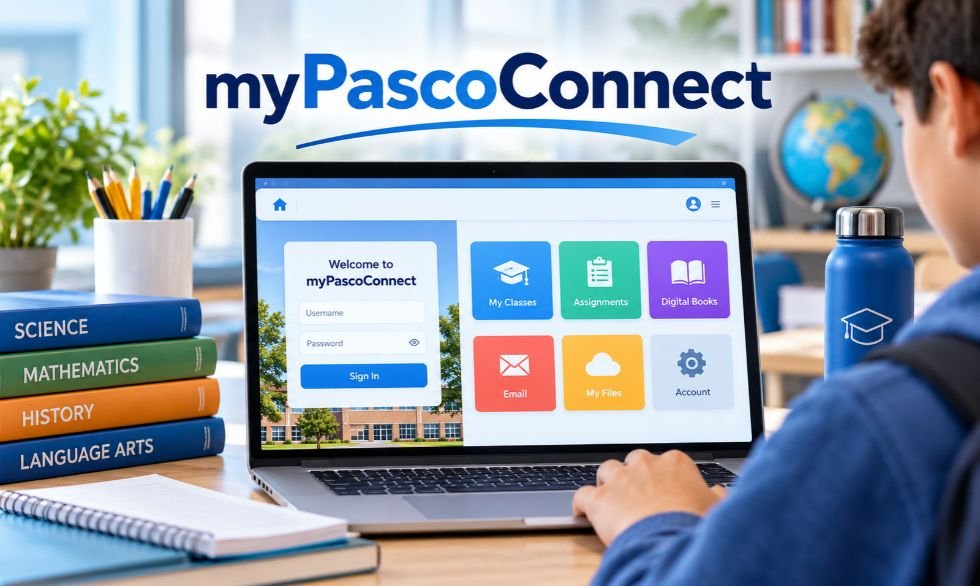
Students need many online tools for school. They use different apps for homework, lessons, books, and emails. Signing in to each app can take time. myPascoConnect makes this easier by putting school tools in one place.
The portal is used by Pasco County Schools in Florida. It lets students and teachers open learning apps with one school account. This guide covers login steps, main features, free Microsoft Office, parent access, password help, and the latest updates in 2026.
What Is myPascoConnect?
myPascoConnect is an online portal for students, teachers, and school staff in Pasco County Schools. It gives users access to school apps, digital books, email, and learning tools from one dashboard.
The portal uses ClassLink LaunchPad. ClassLink provides a system called Single Sign-On (SSO). This lets users sign in once and open many school apps without typing a new password each time.
Students can open Canvas, Microsoft 365, and other school resources. Teachers use the portal to reach their work tools. The apps shown on each dashboard depend on the user’s school account, grade, and access rights.
How to Log In to myPascoConnect?
Students can open the portal from home or school. They need their Student ID and school network password. Pasco County Schools recommends Google Chrome for its online learning tools.
Follow these steps to sign in:
- Open Google Chrome.
- Visit https://mypascoconnect.pasco.k12.fl.us/.
- Click Sign in to myPascoConnect.
- Enter your Student ID or lunch number.
- Type your school network password.
- Complete any password check shown on the screen.
- Choose the app you want to open.
New students may need to enter their password two more times during their first login. This helps confirm their account details. Teachers and staff use their own district login details. Students should never share their passwords with others.
Main Features
The portal gives students one place to open school apps. Its Single Sign-On feature saves time by reducing the need to enter different passwords. Some apps may still ask users to sign in during the first visit.
The dashboard shows apps based on each user’s school account. ClassLink also lets users arrange apps in folders when that option is available. Schools decide which apps students can open and which tools they can add.
Some key features include:
- Single Sign-On: Open many school apps with one login.
- App Dashboard: Find school tools in one place.
- App Library: Add approved apps when allowed.
- My Files: Access supported cloud storage accounts.
- Browser Extension: Help certain apps use saved login details.
- QuickCards: Sign in with a QR badge when provided by the school.
The ClassLink browser extension helps with apps that use saved passwords. QuickCards offer another login method for eligible students. Younger children can scan a school-issued QR badge instead of typing a long password.
How Students Use myPascoConnect for Learning?
Students use the portal to open online lessons and school resources. One important app is myLearning, the name Pasco County Schools uses for Canvas. Teachers use Canvas to share lessons, homework, quizzes, and course materials.
Students can open their classes, read lesson notes, and submit assignments. They can also check teacher feedback and complete online quizzes. Digital textbooks and reading apps may be available based on their grade and school.
School email is another useful tool. Students with access to Microsoft 365 can use Outlook for school messages. Canvas also has an Inbox for messages linked to classes. These tools help students contact teachers and check their school tasks.
How to Get Free Microsoft Office on myPascoConnect?
Pasco County Schools has offered free Microsoft Office access to eligible students through the Microsoft Student Advantage program. Students can use apps such as Word, Excel, and PowerPoint while their school license remains active.
Students can check for the desktop installation option by following these steps:
- Sign in to the school dashboard.
- Open Microsoft 365 or Office 365.
- Look for the Install Office Apps option.
- Download the available installer.
- Follow the steps shown on the computer.
- Sign in with your school Microsoft account.
Older district guides use this student email format: [StudentID]@student.pasco.k12.fl.us.
Students must use their assigned school login details to activate the software. The number of allowed devices depends on the current Microsoft license. If the download option is not shown, students can check whether the online Office apps are available.
How to Connect Google Drive and OneDrive to myPascoConnect?
ClassLink has a feature called My Files. It lets users access files from supported cloud storage services. These include Google Drive, Microsoft OneDrive, Dropbox, and Box. Schools decide which services students can connect.
To link a cloud storage account, follow these steps:
- Open the school dashboard.
- Find and open My Files.
- Select Manage Services.
- Choose an available storage service.
- Click the option to connect your account.
- Sign in and allow the required access.
Once connected, students can view supported files through My Files. They may also open documents in Google or Microsoft apps to edit them. The available actions depend on the account and school settings.
In September 2026, ClassLink added more controls for cloud storage connections. School administrators can manage which services users can connect. They can also limit connected accounts and set rules for approved email domains.
myPascoConnect Parent Login and myStudent Portal
Parents usually use myStudent rather than the student learning dashboard. The myStudent Parent Portal runs on Focus School Software. It gives families access to official school records and student information.
Parents can use the portal to check:
- Student grades and report cards
- Daily attendance records
- Class schedules
- Test information
- School records and updates
- Available student account details
Parents can find the Focus Parent Portal through the Pasco County Schools website. New users may need to create an account and link their children before viewing their records.
Some parents can also use a Canvas observer account. This gives them access to selected course details and assignments. Focus is used for official school records, while Canvas is used for classroom lessons and homework.
How to Reset a myPascoConnect Password?
Students who forget their passwords should contact their teacher or school office. School staff can help with account access and password problems. Parents may also find student login details through their myStudent Parent Portal account.
Older district instructions explain how parents can check student account information:
- Sign in to the myStudent Parent Portal.
- Open My Child.
- Choose Child Info.
- Look for Parent Information.
- Check whether student login details are available.
The exact menu may change with portal updates. If the password is not shown, parents should contact the school.
Passwords are case-sensitive. This means capital letters, small letters, numbers, and symbols must be entered correctly. Students should not use example passwords found on other websites. They must use the password assigned to their school account.
Mobile Access and Pasco ONE App
Students can open school resources on a phone or tablet through a supported browser. However, some online lessons may work better on a desktop computer or laptop. Certain course tools may not work well on small screens.
Pasco County Schools also offers an app called Pasco ONE. It gives families mobile access to district services and school information. The app is available for supported iOS and Android devices. It is separate from the ClassLink learning dashboard.
The Pasco ONE app also provides access to ONE Wallet, powered by Rycor. This service helps parents manage school meal accounts and payments. Families can use it to:
- Add money to meal accounts.
- View recent purchases.
- Move funds between student accounts.
- Set spending limits.
- Turn on low-balance alerts.
- Set up automatic payments.
Parents should use official district links when installing apps or signing into school accounts.
Login Problems and Fixes
Students may sometimes have trouble opening the portal. A wrong password, old browser data, or internet issue can stop a login. First, check the Student ID and password. Then reload the page and try again.
Some apps may open a second login screen. This can happen when an app needs its own password or the ClassLink browser extension. Students should check whether the required extension is installed and enabled.
Try these steps when the portal is not working:
- Wrong password: Check capital letters, numbers, and symbols.
- Page not loading: Check the internet connection and refresh the page.
- Browser error: Update Chrome or clear old browser data.
- App not opening: Check the ClassLink extension if that app needs it.
- Blank app screen: Allow pop-ups for trusted school websites when required.
- Missing app: Ask a teacher whether the app is assigned to your account.
- Locked account: Contact the school for password or account help.
Pasco eSchool recommends Chrome for its learning tools. Some programs may have issues in other browsers. If the problem continues, students should ask their school for technical support.
Is myPascoConnect Safe and Reliable?
myPascoConnect is an official online service used by Pasco County Schools. It uses ClassLink technology to manage access to learning apps. Students should sign in through official district websites and avoid unknown pages asking for school passwords.
ClassLink supports different ways to sign in. Some apps use secure account connections. Others use saved login details. Schools decide which apps and files users can access through their accounts.
Students can help keep their accounts safe by following these rules:
- Keep school passwords private.
- Sign out after using a shared computer.
- Do not save passwords on public devices.
- Avoid clicking unknown login links.
- Use school-approved apps and websites.
- Report strange login messages to school staff.
Like other online services, the portal can have technical problems. Users may lose access during internet issues or service outages. Students should contact their school if they cannot open important learning tools.
Benefits and Drawbacks
The portal makes it easier to reach school apps from one place. Students can open their lessons, textbooks, and other resources without searching for each website. Teachers can also direct students to the tools already shown on their dashboards.
Another benefit is access to cloud files and saved app logins. Students can open supported Microsoft and Google tools when their school allows them. QuickCards can also make signing in easier for younger children.
However, the portal has some limits.
Main benefits:
- One login for many connected school apps.
- Easy access to lessons and digital books.
- A dashboard with assigned learning tools.
- Cloud storage support.
- Microsoft 365 access for eligible users.
- QR-code login for students with QuickCards.
Main drawbacks:
- Some apps need a separate password during setup.
- Certain login features need a browser extension.
- Most online tasks require internet access.
- Some learning tools may not work well on phones.
- School account settings can limit available apps.
- Service problems can block access through the dashboard.
These limits depend on the device, connected app, and school settings.
myPascoConnect vs. Other School Login Portals
Schools use different systems to manage online apps and student accounts. ClassLink is one option. Other common services include Clever, Google Workspace for Education, and Microsoft Entra ID.
These platforms have different uses:
| Platform | Main purpose | Key feature |
|---|---|---|
| ClassLink LaunchPad | Open school apps | Single Sign-On and app dashboard |
| Clever | Access learning apps | School login and class roster tools |
| Google Workspace for Education | Schoolwork and file sharing | Google Docs, Drive, Gmail, and Classroom |
| Microsoft Entra ID | Manage user accounts | Identity checks and access controls |
ClassLink and Clever help students open school apps from one place. Google Workspace provides tools for writing, sharing files, and online classes. Microsoft Entra ID helps schools and other groups manage account access.
These services can work together. They are not always direct replacements for each other. Pasco County students should use the official login system assigned by their school district.
Latest Updates
Pasco County Schools made changes to its family payment services in 2026. The district moved from MySchoolBucks to ONE Wallet, powered by Rycor. Parents can access the service through Pasco ONE to manage school meal funds and payments.
ONE Wallet lets families add money, check purchases, move funds between children, and set spending limits. It also supports automatic payments and low-balance alerts. The district says meal account balances from the 2025–2026 school year were moved to the new system.
ClassLink also released updates to its software in 2026. In June, it improved My Files loading and some file actions. In September, it added more controls for cloud storage services and connected accounts.
On October 13, 2026, ClassLink announced further updates to My Files, app usage reports, and Roster Server tools. It also added an Insights feature that helps school leaders compare app use with student test results. These are ClassLink-wide updates, so the tools available to Pasco students depend on the district’s settings.
FAQs
1. What is myPascoConnect used for?
myPascoConnect lets Pasco County students and staff access Canvas, Microsoft 365, digital textbooks, and other school apps from one dashboard.
2. How do students log in to myPascoConnect?
Students open the official portal and enter their Student ID or lunch number and school network password.
3. Can parents access myPascoConnect?
Parents mainly use the myStudent Parent Portal to check their child’s grades, attendance, schedules, and school records.
4. What should I do if myPascoConnect is not working?
Check your login details, refresh the browser, try Google Chrome, or contact your school for technical help.
5. Can students download Microsoft Office for free through myPascoConnect?
Eligible students can access Microsoft 365 and install available Office apps using their school accounts.
MORE INTERESTING: Who Delivers Your Offer to the Seller Framework: Everything Explained

SEO Instant Appear HighSoftware99.com is a paid search marketing service linked to Google Autocomplete. The company claims it can help a brand appear in Google’s search suggestions within 3–12 hours. This service is aimed at businesses that want people to see their names while searching online.
Google Autocomplete is not the same as a top Google ranking. This article explains how the service works, its features, prices, benefits, risks, safety, and other options available in 2026.
What Is SEO Instant Appear HighSoftware99.com?
SEO Instant Appear HighSoftware99.com is a service that aims to show a brand or website name in Google Autocomplete. Autocomplete shows suggested searches when someone starts typing in Google. The company also calls this service Google Auto Complete or ATC.
For example, a business may want its name to appear when someone types “best SEO services.” The service aims to link that search phrase with the business name. People may then notice the brand before they finish their search.
HighSoftware99.com also advertises SEO, search marketing, content creation, brand strategy, social media management, and web design. These are separate from its Autocomplete service. Customers do not appear to need an app or special software to use it.
How Does SEO Instant Appear HighSoftware99.com Work?
The service starts with a keyword and a brand name or website address. Customers may also choose the country where they want their brand to appear. This matters because Google search suggestions can change by location and language.
The seller describes a process that includes these steps:
- Choose a keyword linked to your business.
- Give your brand name or website address.
- Select the country you want to target.
- Ask the provider to check the keyword.
- Agree on the price and campaign length.
- Start the campaign.
- Check Google Autocomplete for the target phrase.
HighSoftware99.com has not shared a full public guide to its technical method. Some outside articles mention bots and automated searches, but there is no reliable proof that this company uses them. Customers should ask how the service works before paying.
Key Features
The main feature is Google Autocomplete optimization. It aims to show a chosen brand or website name with a target search phrase. The goal is to appear in Google’s search suggestions, not to move a webpage higher in normal search results.
The service also offers keyword and country targeting. A business can select a market and check whether its brand appears there. HighSoftware99.com has shown examples for searches in the United States and India.
The company also advertises other marketing services:
- SEO and SEM: Help with search visibility and online marketing.
- Content creation: Content for websites and marketing.
- Brand strategy: Help with a company’s name and public image.
- Social media management: Support for business social accounts.
- Web design: Website design services.
Some outside articles also connect the company with schema markup, AI search, and fast indexing. However, these have not been confirmed as parts of its main Autocomplete service.
How Fast Does SEO Instant Appear HighSoftware99.com Work?
HighSoftware99.com claims its service can show a brand in Google Autocomplete within 3–12 hours. This is an advertised timeframe, not a result that every customer is sure to get.
The time may depend on the keyword, country, and search activity. Google suggestions can change based on location, language, trends, and past searches. A phrase seen by one user may not appear for another.
The 3–12-hour claim does not promise:
- First-page Google rankings.
- Fast indexing for every webpage.
- More website visitors.
- Higher sales or leads.
- Permanent Autocomplete results.
A public marketplace review reported that a target suggestion appeared within several hours. However, one test does not prove that every campaign will work at the same speed.
SEO Instant Appear HighSoftware99.com vs Google Rankings
Google Autocomplete and normal search rankings work in different ways. Autocomplete suggests searches while someone types. Organic rankings show where webpages appear after a search is made.
Google must first find and process a webpage before it can appear in organic results. This process includes discovery, crawling, indexing, and ranking.
| Search stage | What it means |
|---|---|
| Discovery | Google learns that a page exists. |
| Crawling | Googlebot visits the page. |
| Indexing | Google processes the page for its search index. |
| Organic ranking | Google chooses where a page may appear. |
| Autocomplete | Google suggests searches as someone types. |
A page can be indexed but still rank low. A brand may also appear in Autocomplete while its website is far down in normal search results.
This is why fast Autocomplete visibility does not mean instant first-page rankings. Google controls its search results, and no outside company can guarantee a top organic position.
Pricing and Plans
HighSoftware99.com does not appear to offer one fixed price for all Autocomplete campaigns. Seller information describes different rates based on keyword competition and target country.
The following prices were reported in the supplied research. They are not confirmed current rates for every customer.
| Keyword competition | Reported starting price |
|---|---|
| Low | Around $500 per day |
| Medium | Around $2,000 per day |
| Extreme | Around $5,000 per day |
| Some highly competitive markets | $7,000+ per day |
The total cost may depend on the keyword, country, and campaign length. The seller has also described a one-day paid test. Customers should check whether this option is still offered.
Seller information also mentions a refund if the agreed keyword and brand do not appear within one day, subject to the stated terms. USDT TRC20 has been listed as a payment method. Crypto payments can be hard to reverse, so buyers should confirm the price and refund rules before paying.
Are SEO Instant Appear HighSoftware99.com Results Permanent?
Google Autocomplete suggestions are not permanent. They can change as search trends, locations, and user activity change. A phrase that appears today may disappear later.
According to seller descriptions, the result usually stays visible during the paid campaign. Some phrases may remain for a short time after a longer campaign ends. However, this is not guaranteed.
A business may need to keep paying to maintain its target suggestion. Before starting, customers should ask how long the result is expected to last, what happens when the campaign ends, and whether more payments will be needed.
Is SEO Instant Appear HighSoftware99.com Safe and Legit?
HighSoftware99.com has a public website that advertises Google Autocomplete services. Its offer has also appeared in SEO marketplace discussions. One marketplace review reported that a target suggestion appeared during a test.
However, there is limited verified information about the business. The available research does not clearly confirm its founder, CEO, legal company name, or full registration details. The exact method used to produce Autocomplete results is also unclear.
Before paying, customers should:
- Check the company’s contact and business details.
- Ask for written prices and service terms.
- Read the payment and refund rules.
- Request proof of past results.
- Ask whether bots or automated searches are used.
- Avoid sharing passwords without a clear need.
- Check how customer data is stored and used.
Google has rules against unauthorized automated searches and machine-made search traffic. However, there is no reliable proof that HighSoftware99.com uses these methods. It would be wrong to claim that the company breaks Google’s rules without evidence.
Benefits
The main possible benefit is fast brand visibility in Google Autocomplete. A business name may appear while someone types a related search phrase. This gives users a chance to notice the brand before they search.
Keyword and country targeting may help businesses focus on the markets they want to reach. For example, a company selling services in the United States may target search phrases used by people in that country.
Possible benefits include:
- Fast Autocomplete visibility, based on the company’s claim.
- Brand exposure for chosen keywords.
- Targeting of selected countries.
- More chances for people to notice a business name.
- Possible use for short marketing campaigns.
- A reported one-day paid test.
These benefits are not guaranteed. Seeing a brand in Autocomplete does not mean someone will visit its website, contact the company, or buy something.
Drawbacks
One major drawback is the reported price. Campaigns may cost hundreds or thousands of dollars each day. This can be too expensive for small businesses, especially if they need to keep paying.
Another concern is the lack of clear information about the technical method. The company has not fully explained how it produces Autocomplete results. There is also limited public proof of long-term results.
Other drawbacks include:
- No guaranteed first-page rankings.
- No promise of more organic traffic.
- Results may disappear after a campaign ends.
- Continued visibility may need more spending.
- Suggestions can change by country and user.
- First position is not always guaranteed.
- Limited public company information.
- No guaranteed sales or leads.
Autocomplete visibility and long-term SEO growth are different goals. Customers should judge the service by the results it promises, not by benefits it has not confirmed.
How to Check SEO Instant Appear HighSoftware99.com Results?
Before starting a campaign, write down the target keyword, brand name, country, and date. Search for the phrase on Google to see whether the brand already appears. This gives you a starting point.
After the campaign starts, check the same phrase again. Use more than one browser or device. Make sure the search country and language match the campaign settings. Record when the suggestion appears and how long it stays visible.
Track these details:
- Date the suggestion first appears.
- Its place in the suggestion list.
- Country where it appears.
- How long it stays visible.
- Changes in branded searches.
- Website visits and search clicks.
- Leads, enquiries, and sales.
Google Search Console can show search impressions and clicks. Website analytics can help track visits and sales. These results should be checked on their own because an Autocomplete screenshot does not prove that the campaign brought more customers.
Best Alternatives
The best alternative depends on your goal. Some businesses want faster indexing, while others want more traffic, better rankings, or paid search exposure.
Several tools and SEO methods can help with these needs.
| Alternative | Main use | Best for |
|---|---|---|
| Google Search Console | Indexing checks and search data | Website owners |
| Google Ads | Paid search ads | Fast paid exposure |
| Google Trends | Search interest research | Keyword trends |
| Semrush | Keyword research and site audits | SEO planning |
| Ahrefs | Backlink and competitor research | Organic SEO research |
| Traditional SEO | Content and website improvements | Long-term traffic |
| DIY SEO | Basic website fixes | Small budgets |
Google Search Console is free. It helps website owners check indexing, submit sitemaps, and view search data. It does not guarantee instant indexing or Autocomplete placement.
Google Ads offers paid ads in eligible search results. Semrush and Ahrefs provide tools for keyword research, site checks, and competitor research. Traditional SEO focuses on useful content, technical fixes, internal links, and trusted links from other websites.
Is SEO Instant Appear HighSoftware99.com Worth Using?
SEO Instant Appear HighSoftware99.com may be worth looking at for businesses that want their brand to appear in Google Autocomplete. The company advertises results within hours, but the reported daily prices can be high. There is also limited public proof of long-term results.
Before buying, customers should confirm the keyword, target country, campaign length, price, refund terms, and expected result. They should also ask how the service works and request proof from past campaigns. A short test may show whether the agreed suggestion appears, but it cannot prove lasting value.
For businesses that want better organic rankings and steady search traffic, traditional SEO is a better main option. HighSoftware99.com’s Autocomplete service has a different goal.
Frequently Asked Questions
What is SEO Instant Appear HighSoftware99.com?
It is a paid service that aims to show a brand or website name in Google Autocomplete suggestions for selected keywords.
How fast does HighSoftware99.com claim to work?
The company claims Autocomplete results can appear within 3–12 hours, but this does not guarantee higher organic Google rankings.
How much does SEO Instant Appear HighSoftware99.com cost?
Seller-reported prices start around $500 per day and may exceed $7,000 per day for highly competitive keywords.
Is SEO Instant Appear HighSoftware99.com safe and legit?
It advertises a real Autocomplete service, but its methods and business details need further checks before payment.
Are HighSoftware99.com Autocomplete results permanent?
No permanent placement is guaranteed, and suggestions may disappear when a campaign ends or Google changes its predictions.
MORE INTERESTING: What Is a Binder in Cooking?

FintechZoom.com is a financial news website that covers stocks, crypto, banking, business, and technology. It shares market news, finance guides, and updates from around the world. Readers can learn about major stock indices such as the Nasdaq, Dow Jones, and S&P 500. The site also covers Bitcoin, gold, oil, and digital payments.
Many people visit financial websites to check market trends and learn about money. But how useful is this platform? This guide explains its history, features, pricing, market coverage, safety, and benefits. It also shows how the website works and how it compares with other finance platforms in 2026.
What Is FintechZoom.com?
FintechZoom.com is a website that shares financial news, market reports, and learning guides. It covers stocks, crypto, banking, loans, investing, and financial technology. Readers can find news about global markets and learn how different financial services work.
The website covers two main areas of finance. The first is traditional finance, which includes banks, stocks, bonds, and currencies. The second is fintech, which means using technology to manage money. This includes digital banking, mobile payments, online transfers, and blockchain.
The platform is not a stockbroker, bank, or crypto exchange. It does not let users buy stocks or hold money in trading accounts. Instead, it provides news and information. Beginners can use its guides to learn basic terms, while investors can follow market updates and financial events.
History and Background
FintechZoom states that it started publishing financial content in 2016. Its early focus was on finance and technology. The website now covers stocks, digital currencies, banking, business, and world markets. It also publishes guides about personal finance and investing.
The company lists New York as its main office. Its published information also mentions offices in London, Sydney, and Tokyo. However, detailed public records about its staff, revenue, and ownership are limited. Claims about its exact workforce or funding should not be treated as confirmed facts.
The website remains active in 2026. It publishes financial articles and offers paid services under the FintechZoom PRO name. It also provides advertising and sponsored-content options. These services operate alongside its public news and learning content.
How Does FintechZoom.com Work?
FintechZoom.com works as a financial news and research website. It places articles and market information into different sections. Visitors can choose topics such as Markets, Crypto, Money, Business, Economy, and Lifestyle. Each section focuses on a group of related subjects.
The website provides several types of content:
- Financial News: Reports about markets, companies, and economic events.
- Market Updates: Information about stocks, crypto, bonds, and commodities.
- Learning Guides: Simple lessons about finance and investing.
- Market Analysis: Articles that explain price changes and financial trends.
- Technology News: Updates about digital banking, payments, and blockchain.
Readers can browse these sections without using trading software. For example, someone interested in Bitcoin can read crypto news and guides about digital wallets. Someone following the stock market can explore major indices and company reports. The site helps explain financial topics but does not carry out trades.
Main Features of FintechZoom.com
FintechZoom.com provides news and information about many financial subjects. Its main feature is broad market coverage. Readers can follow stock indices, cryptocurrency, banking news, and economic events in one place. It also publishes articles that explain how these markets work.
Some of its main features include:
- Stock Market News: Coverage of Nasdaq, Dow Jones, S&P 500, and other indices.
- Crypto Updates: News about Bitcoin, Ethereum, and digital assets.
- Market Analysis: Reports on price changes and financial events.
- Learning Guides: Articles about investing, banking, and money.
- Commodity News: Updates about gold, silver, oil, and natural gas.
- Fintech Coverage: News about AI, online payments, and digital banking.
- Business Reports: Information about companies and the economy.
The website also covers luxury goods and property. Some articles discuss expensive watches, cars, travel, and real estate. Its content is not limited to one type of investment. Readers can use the site’s menu to find the subjects that interest them.
What Markets Does FintechZoom.com Cover?
FintechZoom.com covers financial markets in the United States, Europe, Asia, and other regions. Its stock market content includes the Nasdaq, Dow Jones, S&P 500, FTSE 100, and Nikkei 225. These indices track groups of stocks and help show how parts of the market are performing.
The website also covers other markets:
- Forex: Currency prices and exchange rate changes.
- Bonds: Government debt, bond yields, and interest rates.
- Commodities: Gold, silver, crude oil, and natural gas.
- ETFs: Funds that track stocks, bonds, and other assets.
- Crypto: Bitcoin, Ethereum, stablecoins, and other digital currencies.
Market prices change for many reasons. Interest rates can affect stocks, bonds, and currencies. Oil prices may rise or fall because of supply and demand. Gold prices can respond to inflation, currency changes, and investor demand. The website reports on these topics, but readers should confirm current prices before trading.
Crypto and Bitcoin Coverage
FintechZoom.com has a section for cryptocurrency news and guides. It covers Bitcoin, Ethereum, blockchain, stablecoins, and other digital assets. Readers can learn about crypto prices, market events, new projects, and rules that affect digital currencies.
Bitcoin is one of the main subjects in this section. The website publishes content about Bitcoin ETFs, mining, wallets, and halving events. Bitcoin halving takes place about every four years. It cuts the reward that miners receive for adding new blocks to the network. Crypto ETFs are funds that give investors access to crypto-related investments through financial markets.
The site also explains basic wallet safety. Crypto wallets help users manage the keys needed to access digital assets. Hardware wallets and software wallets work in different ways. Readers should learn how these tools work before using them. Crypto prices can change fast, so current prices should be checked through trusted exchanges or market-data services.
Banking and Personal Finance
FintechZoom.com covers banking, loans, mortgages, credit cards, and other personal finance topics. Its guides explain how these services work and what users should check before choosing them. For example, mortgage articles may explain interest rates, loan terms, and monthly payments.
The website also covers digital banking and payment technology. Digital banks let customers manage accounts through websites and mobile apps. Online payments, digital wallets, and bank transfers are common parts of fintech. The site also discusses how AI and security tools are used in banking.
Economic topics are another part of its coverage. These include:
- Inflation: Changes in the prices of goods and services.
- Interest Rates: The cost of borrowing money.
- Employment: Jobs and changes in the labor market.
- Taxes: Rules about money paid to governments.
- Economic Growth: Changes in the amount of goods and services produced.
These topics can affect household budgets and business costs. Readers should check local laws, bank fees, and lender terms before making financial choices.
FintechZoom PRO: Features and Pricing
FintechZoom PRO is the name used for the website’s paid financial services. Its pricing page lists three plans: Basic, Advanced, and Expert. These plans offer different levels of market information and financial tools.
| Plan | Listed Monthly Price | Main Features |
|---|---|---|
| Basic | $19 | Market reports, global indices, and major stock index charts |
| Advanced | $89 | Basic tools, forex signals, and gap stock information |
| Expert | $199 | Advanced tools, finance courses, and expert stock lists |
These prices come from the site’s published pricing information. Other pages have listed different prices, so the amounts may not match the current checkout offer. Users should check the official pricing page before paying. They should also review what each plan includes and whether they can cancel or change it.
The free website is useful for people who mainly read market news and finance guides. Paid plans may appeal to readers who want more data or extra tools. However, the value of a plan depends on its current features. Users should compare the price and services with other financial platforms before subscribing.
How to Use FintechZoom.com: Step-by-Step Guide
FintechZoom.com has sections for different finance topics. Visitors can start by choosing a market, company, or subject they want to learn about. The website does not require users to learn trading software before reading its public articles.
Follow these steps to use the site:
- Open the Website: Visit
https://fintechzoom.com/. - Choose a Section: Select Markets, Crypto, Money, Business, or Economy.
- Find an Article: Search for a stock, digital currency, or financial topic.
- Read the Information: Check the main facts, figures, and explanations.
- Check the Date: See when the article and market figures were updated.
- Verify Key Details: Compare important claims with trusted sources.
- Explore Related Topics: Read more guides to understand the subject.
For example, a reader interested in gold can open the commodities section. They can read about gold prices and the events that affect them. They should then check the current market price through a trusted data provider. This helps separate general market news from prices used for buying or selling.
Is FintechZoom.com Free to Use?
FintechZoom.com offers many public news articles and financial guides for free. Visitors can read about stocks, banking, crypto, and the economy without paying for each article. They can also explore public sections without opening a trading account.
The website also advertises paid services under FintechZoom PRO. These subscriptions are separate from the public news content. The features and costs depend on the selected plan. Users should check current prices, billing rules, and cancellation terms before paying.
The website also offers advertising and sponsored-content services. Some articles may discuss products or services offered by other companies. These outside providers may charge their own fees. Readers should check whether a page is promotional and review the terms of any financial product before signing up.
Is FintechZoom.com Legit and Reliable?
FintechZoom.com is an active financial information website. It publishes market news, finance guides, and articles about money and technology. It also provides public contact details and information about its services. However, a working website does not mean every market figure or forecast is correct.
Financial data can become old quickly. A stock price may change during the trading day, while an article may show the previous closing price. Crypto prices can also differ between exchanges. Readers should check where market figures come from and when they were updated. Official company reports and government data are better sources for confirming key facts.
The website should not replace a bank, broker, or qualified financial adviser. Users should also watch for fake websites or messages that copy its name. Never share account passwords, banking details, or crypto wallet recovery phrases through unknown links. For important money choices, use more than one trusted source.
Benefits and Limits
FintechZoom.com covers many finance topics in one place. Readers can find news about stocks, crypto, banking, commodities, and the economy. Its guides explain basic money terms in simple language. This makes the site useful for beginners who want to understand financial news.
Its main benefits include free public articles, broad market coverage, and learning guides. The website also reports on global markets and financial technology. Readers can explore digital payments, banking changes, and business news alongside investment topics.
The platform also has limits. It is not a direct trading service and cannot provide personal investment advice. Some market figures may need further checks, while advanced traders may need specialist charts and research tools.
| Pros | Cons |
|---|---|
| Covers many finance topics | Some articles may lack deep analysis |
| Free public news and guides | Extra tools may require payment |
| Simple learning content | No direct trading service |
| Stock and crypto coverage | Prices need independent checks |
| Global market news | No personal financial advice |
FintechZoom.com vs Other Financial Websites
FintechZoom.com covers general financial news and learning topics. Other websites focus more on stock data, charts, cryptocurrency, or professional research. Each platform offers a different type of information.
| Platform | Main Focus | Best For |
|---|---|---|
| FintechZoom | Finance news, markets, and fintech | General financial research |
| Yahoo Finance | Stock prices, companies, and earnings | Stock market followers |
| TradingView | Charts and technical indicators | Active traders |
| Bloomberg | Financial news and market research | Finance professionals |
| CoinMarketCap | Crypto prices and market data | Crypto tracking |
| CoinGecko | Digital asset prices and research | Crypto investors |
| Investopedia | Financial education and definitions | Beginners and students |
| Finextra | Banking and fintech industry news | Finance professionals |
Yahoo Finance provides company data, stock quotes, and earnings information. TradingView focuses on charts, indicators, and market analysis. CoinMarketCap and CoinGecko track digital assets, while Bloomberg covers global finance in greater depth. Investopedia explains finance terms, and Finextra reports on banking technology. Readers can choose a service based on the data or tools they need.
Tips for Using it Safely
FintechZoom.com can help readers learn about financial markets. However, its articles should not be the only source used for money decisions. Market prices, investment rules, and financial products can change quickly. Checking important facts helps reduce the risk of using old or incorrect information.
Follow these safety tips:
- Visit the official website and check the address.
- Read the publication date of each article.
- Confirm stock and crypto prices through trusted providers.
- Check company earnings in official financial reports.
- Use government sources for inflation and employment data.
- Identify sponsored posts and paid promotions.
- Never share banking passwords or wallet recovery phrases.
- Review paid service terms before subscribing.
- Learn about investment risks before spending money.
For example, an article may report that a company’s shares rose after an earnings update. Before investing, readers can check the company’s official results and current stock price. Crypto readers should also compare prices across reliable exchanges. These checks make financial research more useful.
Who Should Use FintechZoom.com?
FintechZoom.com is useful for people who want to learn about finance and follow market news. Beginners can read guides about stocks, crypto, banking, and investing. Students can use its educational articles to understand financial terms and economic events. The website also covers topics that may interest business owners and people working in finance.
Different readers may use the website for different reasons:
- Beginners: Learn about basic finance and investing.
- Casual Investors: Follow stocks and market news.
- Crypto Readers: Explore Bitcoin, Ethereum, and blockchain.
- Students: Study banking, finance, and technology.
- Business Owners: Read about payments and economic changes.
- Finance Professionals: Follow general industry news.
The platform is best suited to reading, learning, and general financial research. People who need advanced charts, detailed company data, or direct trading services may prefer specialist platforms. For important financial decisions, readers should confirm key facts through official sources and use suitable professional advice when needed.
Frequently Asked Questions
What is FintechZoom.com used for?
FintechZoom.com provides financial news, stock market updates, crypto information, and simple guides about banking, investing, and technology.
Is FintechZoom.com safe and legitimate?
It is an active financial news website, but readers should verify important market data and use the official domain to avoid fake sites.
Is FintechZoom.com free to use?
Yes, many articles are free to read, while FintechZoom PRO offers paid plans with extra financial tools.
Can you buy stocks or Bitcoin on FintechZoom.com?
No, its stated media service provides financial information rather than direct stock trading or cryptocurrency exchange services.
What are the best alternatives to FintechZoom.com?
Popular alternatives include Yahoo Finance for stocks, TradingView for charts, CoinMarketCap for crypto prices, and Investopedia for learning finance.
MORE INTERESTING: GrammarVista.com USA: What It Is, Features, Content, and Safety Guide (2026)

myPascoConnect: Everything Students and Parents Need to Know

SEO Instant Appear HighSoftware99.com: Does It Really Work?

Is FintechZoom.com Legit? Safety, Pricing, and User Guide

Jason Lawson: The Story of Hayley Mills’ Son

Nina Weiss: All You Need to Know About Manuel Neuer’s Ex-Wife

Sandra Davenport: The Untold Story of Jim Belushi’s First Marriage
-
 Celebrity3 months ago
Jason Lawson: The Story of Hayley Mills’ Son
-
 Celebrity3 months ago
Nina Weiss: All You Need to Know About Manuel Neuer’s Ex-Wife
-
 Celebrity3 months ago
Sandra Davenport: The Untold Story of Jim Belushi’s First Marriage
-

 News1 month ago
Meet Lisa Ann Mudd, Sydney Sweeney’s Mother and Former Attorney
-

 News2 months ago
Who Is Rebecca Dyer? Meet David Foster’s Ex-Wife
-

 Celebrity3 months ago
Jack Scarborough: Everything About Joe Scarborough’s Son
-

 Biographies1 month ago
Who is Thomas Earle? All About Alix Earle’s Father
-

 Celebrity3 months ago
Debra Rodman: Inside the Life of Dennis Rodman’s Powerful Sister